Skincare Routine for Beginners: Easy Morning and Night Steps

Key Takeaways
A beginner skincare routine does not need to be complicated. The basics are cleanser, moisturizer, and sunscreen in the morning, plus makeup removal, cleanser, optional treatment, and moisturizer at night.
A basic skincare routine includes cleanser, serum, moisturizer, and SPF, and a solid skincare foundation takes only a few minutes to complete.
New skincare products should be introduced slowly to monitor reactions and avoid upsetting the skin barrier.
Consistency is key in a skincare routine. Simple, repeated habits matter far more than an expensive product lineup.
Glowing skin and a healthy looking complexion come from getting the basics right, not from stacking dozens of steps.
A Simple Start to Your Skincare Journey

Starting a skincare journey can feel overwhelming. Between endless serums, trendy actives, and "must-have" routines that seem to grow longer every month, figuring out where to begin is genuinely confusing. The good news? A skincare routine for beginners does not have to be complicated, expensive, or time-consuming.
Think of this article as a stylish big sister guide to building a simple skin care routine anyone can follow morning and night. The goal is soft, hydrated, protected skin, not perfection or a 12-step ritual. Below, we will walk through basic skincare steps, the right skincare routine order, how to choose products for your skin type, and common skincare mistakes to avoid so your skin feels fresh, cushioned, and cared for from the very first week.
Why a Simple Skincare Routine Works Best for Beginners
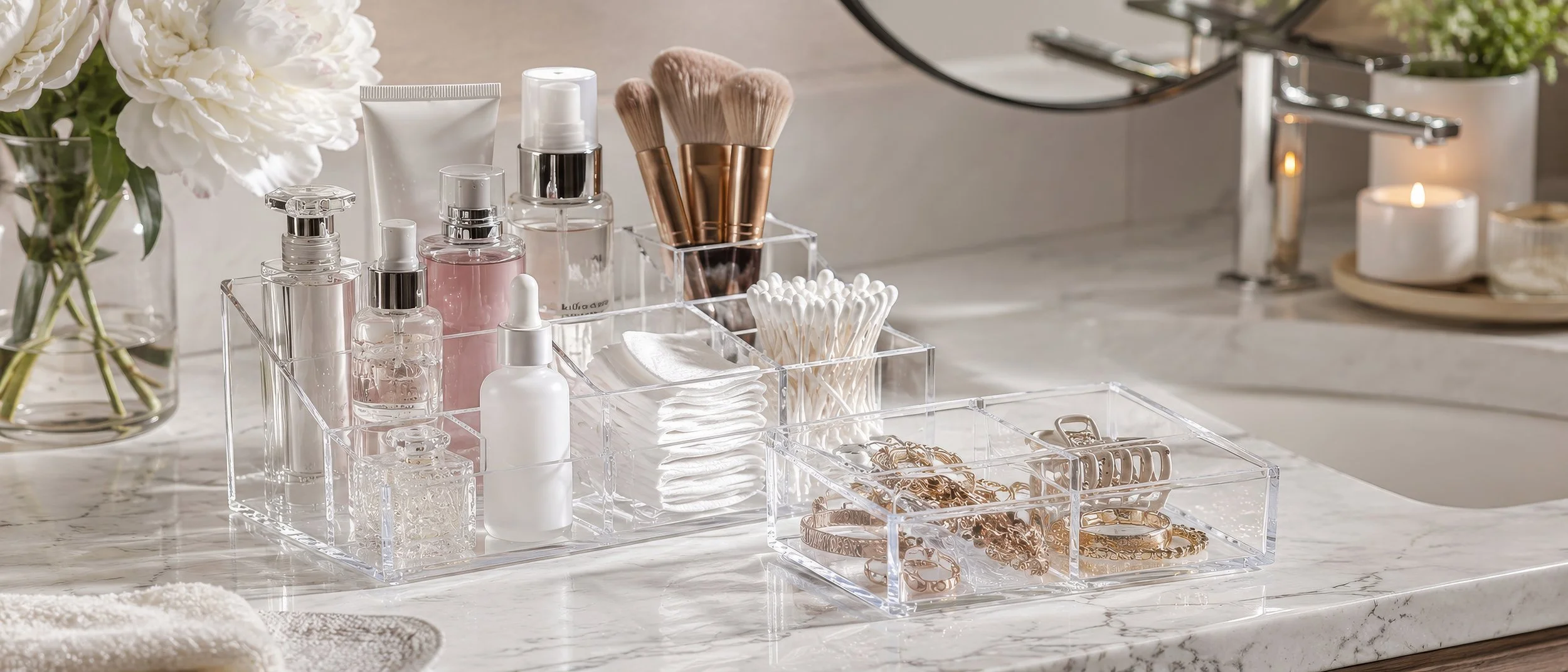
Too many actives, layers, and trends piled on at once can irritate the skin and damage the skin's natural barrier, especially when skin care is brand new to you. The skin barrier is the outermost protective layer that keeps moisture in and irritants out, and it thrives on gentle, consistent care rather than a revolving door of products.
A basic skincare routine with just a handful of products helps you see what actually works for your skin instead of guessing. Research shows that a simple routine of cleanser, hydration, barrier support, and sunscreen can improve overall skin quality by roughly 20 to 30 percent, which is impressive for such a minimal effort. Using fewer products can lead to healthier skin and fewer irritations, and keeping a skincare routine simple prevents overwhelming the skin.
Once the basics feel effortless, you can slowly introduce extras like a hydrating serum with hyaluronic acid or a gentle exfoliant, one at a time. Dr. Bhanusali recommends using no more than five products to keep things effective without overdoing it. Less truly is more in the beginning: clean, moisturized, protected skin is a solid foundation at any age.
The Basic Skincare Routine Order
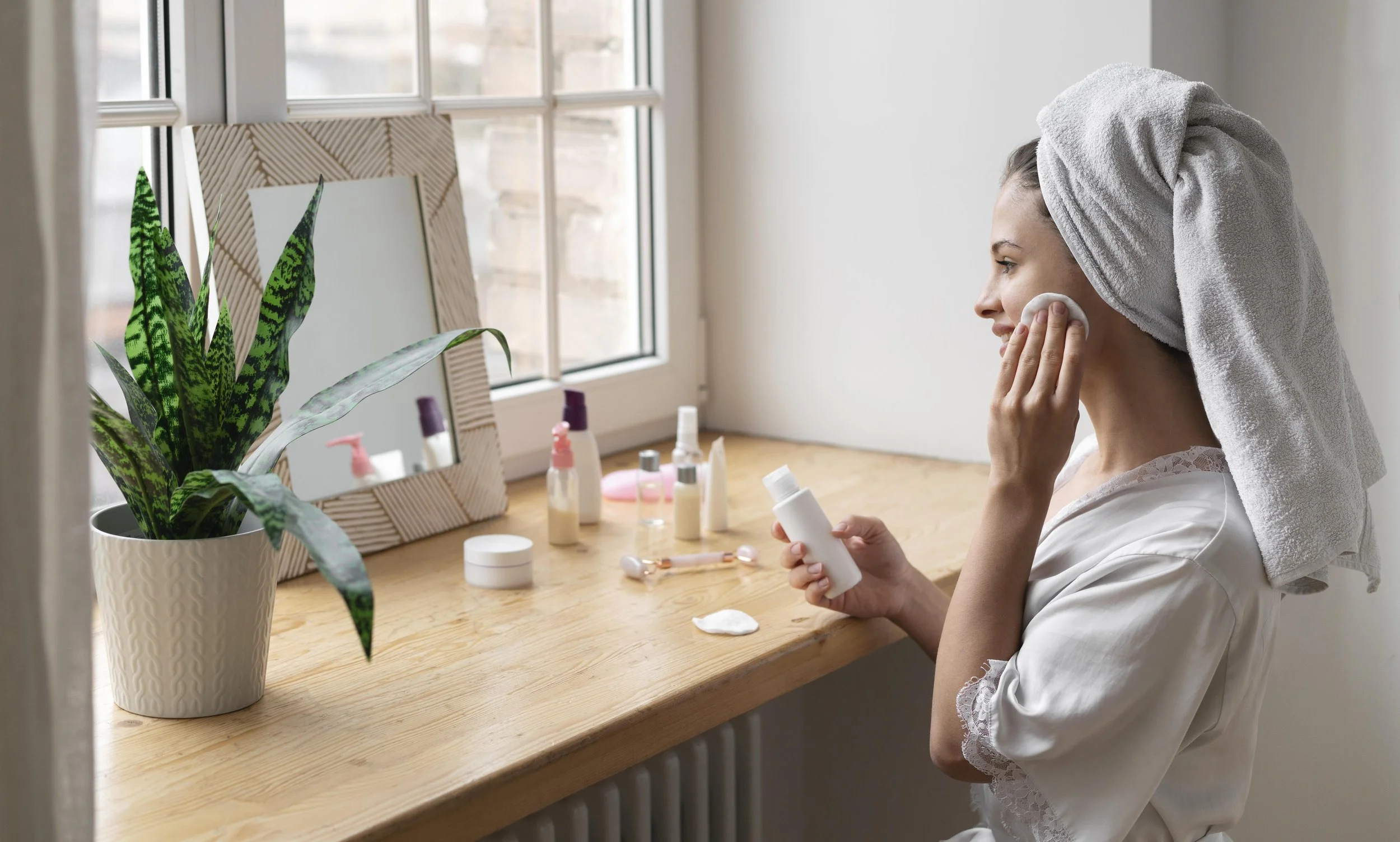
Skincare products work best when applied in a certain order, generally from the thinnest texture to the thickest. Apply products from thinnest to thickest for best absorption so each layer can do its job before the next one seals everything in.
Here is the simple skincare routine order for beginners: cleanser → treatment (optional) → moisturizer → sunscreen (AM only).
The optimal routine consists of cleanse, treat, and protect steps. Sunscreen should be the last step in your morning routine, layered after moisturizer and before makeup. At night, sunscreen is skipped and treatment products, if used, go on clean skin before a night cream or lotion. Think of it like getting dressed: lightweight base layers first, then something warmer on top. A gel cleanser, then a light serum, then cream is a good visual to keep in mind.
Morning Skincare Routine for Beginners

The morning skin care routine is all about protection. After sleep, skin has been repairing itself but may have accumulated light oil, sweat, or product residue. The day ahead brings UV rays, pollution, and environmental stress, so the AM routine focuses on supporting the skin barrier, adding hydration, and finishing with strong sun protection.
A beginner-friendly skincare routine requires cleansing, moisturizing, and applying sunscreen, and the entire basic morning skincare routine can be done in under five minutes once it becomes a habit. The same steps can be customized for dry skin, oily skin, or combination skin just by changing textures.
Step 1 - Gently Cleanse Your Skin
The purpose of a morning cleanse is to remove light sweat, natural oils, and any overnight skincare residue from the skin's surface without stripping the skin barrier. Cleansing removes dirt and impurities from the skin's surface and primes skin for better product absorption.
Some skin types can use only lukewarm water in the morning, while others, especially oily or acne prone skin, may prefer a gentle cleanser or face wash. Use a small amount of cleanser, massage for about 30 seconds, and rinse with lukewarm water. Pat, never rub, skin dry.
Textures by skin type: light gel or foam for oily or combination skin to help absorb excess oil, cream or milk cleansers for dry or sensitive skin to preserve natural oils. There is no single "perfect" cleanser, and as long as skin feels comfortable and not tight or squeaky, the formula is working.
Step 2 - Apply a Lightweight Moisturizer
Moisturizer is essential for healthy-feeling, hydrated skin, even if skin looks shiny or oily. Moisturizers help maintain skin hydration and barrier function by locking in water and supporting the lipid layers that keep skin soft.
Choose textures that match your skin needs:
Gel or oil-free lotion for oily or blemish prone skin
Lotion or cream for normal or combination skin
Richer cream for dry skin
Ingredients like hyaluronic acid, glycerin, and ceramides are commonly used to boost hydration and support the skin barrier in beginner-friendly formulas. Apply a thin, even layer over slightly damp skin to help lock in moisture. Give the moisturizer a minute to sink in before layering sunscreen or any makeup base products.
Step 3 - Finish with Daily Sunscreen
Sunscreen is the most important step in a morning skincare routine for beginners and experienced users alike. Sunscreen protects against harmful UV radiation, and use of a broad spectrum sunscreen with at least SPF 30 daily has been shown to reduce visible signs of aging by roughly 27 percent over a decade. Sunscreen helps prevent skin aging and sunburn while reducing risk of skin cancer.
Broad spectrum SPF blocks both UVA rays, which penetrate deeper and damage collagen production, and UVB rays, which cause sunburn and contribute to uneven tone. Sunscreen should have at least SPF 30 for effective protection every single day.
How to apply: use enough product to cover the face, ears, and neck, and apply it as the final skincare step before makeup. Many people under-apply, which can reduce actual protection to only 60 to 70 percent of the labeled SPF. Reapply sunscreen every two hours for effective protection when spending time outdoors.
There are different textures available: creamy, gel, fluid, or tinted formulas. Chemical sunscreens tend to feel more sheer, while mineral filters like zinc oxide may suit sensitive skin better but can leave a slight white cast. Think of sunscreen as a daily habit rather than just a summer step, because UV rays penetrate clouds, windows, and even overcast skies.
Night Skincare Routine for Beginners
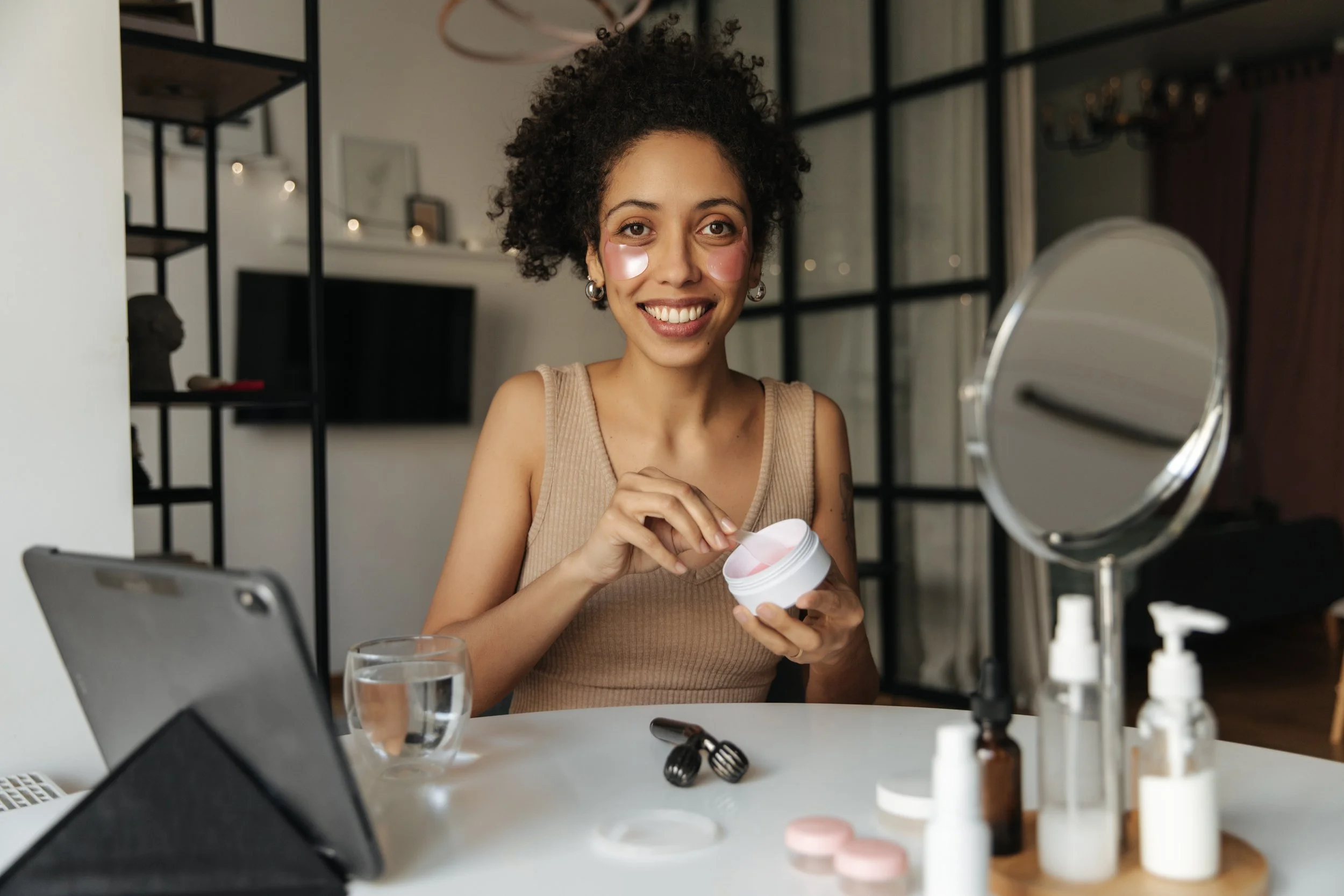
The nighttime routine is for cleansing and repair. It is the time to wash away makeup, sunscreen, and pollution, then give skin a calm, nourishing reset. While the body rests, the skin works on overnight barrier repair, making evening care especially effective.
Beginners can start with a super simple night skincare routine: makeup remover if needed, cleanser, and moisturizer. Optional treatment products like a hydrating serum, gentle exfoliant, or beginner retinol can be added slowly after the basic steps feel comfortable.
Step 1 - Remove Makeup and Sunscreen
Foundation, mascara, and long-wear sunscreen usually need an intentional makeup remover step before regular cleansing. If you wear makeup or waterproof SPF, this first step makes sure all the goodness of your cleansing step that follows can actually reach your skin.
Popular options include:
An oil based cleanser or cleansing balm massaged onto dry skin to melt makeup and SPF
Micellar water on a cotton pad for a quick, gentle swipe
A dedicated makeup remover for eyes and lips
Massage the remover onto dry skin, then rinse or wipe before following with a regular cleanser. Fully removing makeup each night helps prevent clogged pores, dullness, and dead skin cells from building up on the skin's surface. This step also means less harsh rubbing with rough wipes, which is much kinder to the skin barrier.
Step 2 - Cleanse Your Face Thoroughly
The nighttime cleanse removes leftover makeup remover, sweat, excess oil, and daily pollution, keeping skin clean and giving it a fresh base for night products. Use the same gentle cleanser from the morning or a similarly mild formula rather than something harsh and stripping.
Double cleansing, using an oil based cleanser first then a water-based cleanser, is helpful for heavy makeup or water-resistant sunscreen but not mandatory for everyone. Cleanse for about 30 to 60 seconds using fingertips and gentle circular motions, then rinse with lukewarm, not hot, water. Hot water can strip natural oils and raise the skin's pH, which studies show can increase transepidermal water loss by 18 to 25 percent compared to gentle, pH-balanced cleansers.
If skin feels tight, squeaky, or dry immediately afterward, the cleanser might be too strong, especially for dry or sensitive skin. Look for a formula with a low pH that leaves skin feeling comfortable, not stripped.
Step 3 - Apply a Simple Treatment Product (Optional)
Treatment products are targeted steps used after cleansing and before moisturizer to focus on specific skin concerns like hydration, brightness, or managing blemishes. A serum delivers concentrated ingredients to target specific skin concerns, making it a useful addition once the basics feel natural.
Common beginner-friendly treatment categories:
Hydrating serum with hyaluronic acid for dehydrated or dull skin
Vitamin C or a gentle antioxidant serum for brightening and uneven skin tone
Salicylic acid spot treatment to help unclog pores and reduce redness on acne prone skin
Lactic acid or glycolic acid as a mild exfoliant used only a few nights per week to smooth skin texture and sweep away dead cells
Introduce new skincare products slowly to monitor reactions. Add only one new treatment at a time and use it consistently for several weeks before layering another. Strong exfoliating acids and retinoids can irritate if overused, so start with low concentrations and never layer too many actives at once. A patch test on a small area, like behind the ear or along the jawline, is a wise step before applying anything new all over the face.
This step is completely optional at first. Readers can skip it entirely and still have a complete, effective skincare routine.
Step 4 - Moisturize Before Bed
Night moisturizers help lock in hydration, support the skin barrier, and keep skin soft and cared for by morning. The night cream can be slightly richer than the morning moisturizer, especially for dry skin or during colder months. Ingredients like ceramides, aloe vera, and panthenol are gentle choices that help soothe and replenish while you sleep.
Readers with oily or combination skin can choose lighter lotions or gels at night if heavy creams feel too thick or greasy. Apply moisturizer to the face, neck, and even upper chest using gentle upward strokes for a small, spa-like moment at home. Consistent nightly moisturizing helps skin look smoother, more even, and less dull over time, contributing to radiant looking skin and smoother skin overall.
How to Choose Beginner Skincare Products
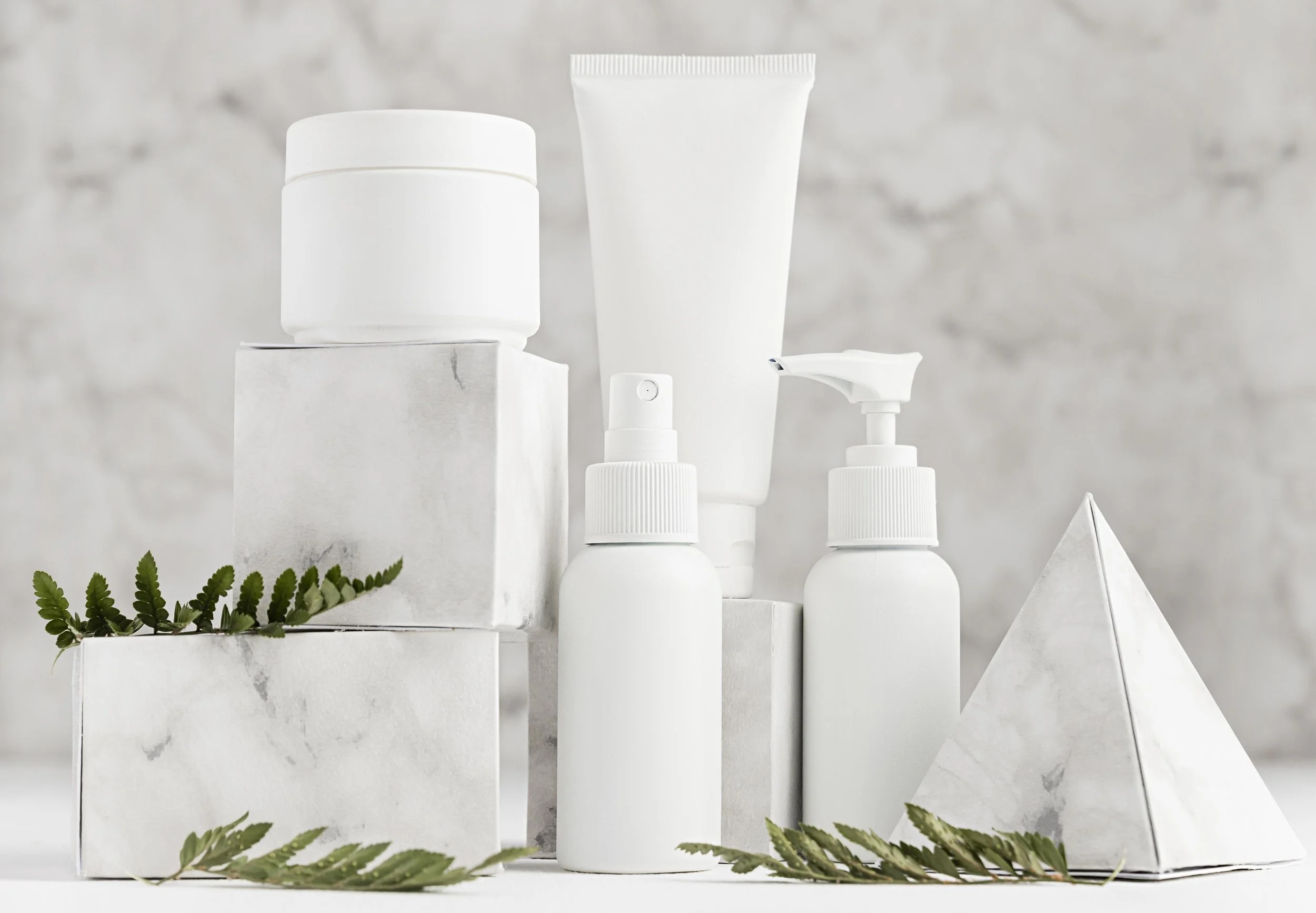
Beginners do not need a full shelf of skincare products, just a few basics tailored to their skin type and comfort level. A simplified routine typically includes four essential products, and a basic skincare routine should include cleanser, moisturizer, and SPF at a minimum. An optional treatment serum rounds out a well rounded skincare routine.
Texture choices should match different needs: lightweight gels and oil-free lotions for oily or acne prone skin, creamier textures for dry or mature skin, and simple, fragrance-free formulas for sensitive skin. Helpful label terms include "non-comedogenic" (less likely to clog pores), "fragrance-free," and "for sensitive skin." Be cautious with labels promising "intense exfoliation" or "peel" strength, as these can disrupt the skin barrier for beginners.
Use no more than five skincare products to avoid irritation. Choose products with ingredients backed by scientific studies, and perform a patch test to check for irritation before using new products on the full face. Even something as gentle as a new body lotion can occasionally cause a reaction, so testing is always worth the extra step.
How to Know Your Skin Type

Understanding your skin type helps you choose the right beginner skincare routine and product textures. Here is a quick breakdown:
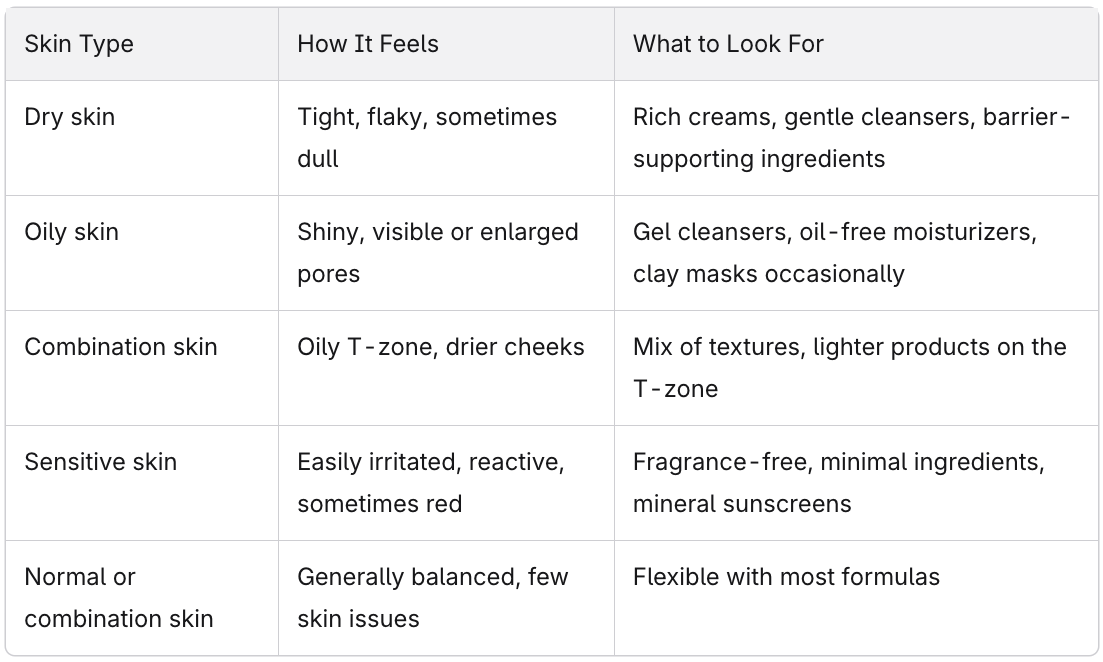
A simple at-home check: cleanse, leave skin bare for about an hour, then observe shine, tightness, or redness in a mirror and on a tissue or blotting paper. Skin type can change over time with seasons, hormones, travel, and age, so routines may need small tweaks through the year. There is no "perfect" skin type. The goal is learning what feels comfortable and supportive for your unique skin needs.
Beginner Skincare Mistakes to Avoid

Even the best intentions can lead to skin damage if a few common pitfalls are not avoided. Here are the mistakes that trip up beginners most often:
Using too many new products at once. This makes it impossible to tell what is helping and what is causing irritation. Introduce one product at a time.
Skipping sunscreen. According to a survey by the American Academy of Dermatology, roughly half of respondents worry about premature skin aging yet only about 56 percent use sunscreen regularly. Sun protection is essential for preventing early signs of aging, uneven tone, and fine lines. Always wear sunblock, even on cloudy days.
Over-exfoliating. Avoid over-exfoliating as it can damage the skin barrier. Physical exfoliants like harsh scrubs can create microtears, and strong acids used too often lead to redness, dryness, or breakouts.
Scrubbing the face too hard. Gentle pressure with fingertips is all skin needs.
Changing products every few days. Give a product at least a few weeks before judging it.
Using harsh products when skin already feels sore. If skin is irritated, strip back to the simplest routine: gentle cleanser, bland moisturizer, sunscreen.
Expecting overnight results. Consistent care over weeks and months is how a good skincare routine and an effective skincare routine truly transform skin texture and skin tone.
When to Add Extra Steps to Your Routine

Once a basic cleanser-moisturizer-sunscreen routine feels easy and stable for at least a few weeks, extra steps can be explored for more targeted results. Common optional add-ons: serum, eye cream, gentle chemical exfoliant, face oil, hydrating mask, or occasional spot treatment for blemishes.
Add only one new product at a time and wait at least two to four weeks before introducing another, watching carefully for any irritation. Choose extras based on clear goals: more hydration, smoother skin texture, fewer breakouts, help with specific skin concerns like dark spots, or softening early signs of aging and fine lines. A gentle anti aging serum or one designed to boost collagen production can be worthwhile once the basics are second nature.
Extras are truly optional. A simple skin care routine can still keep skin fresh, soft, and glowy without a long list of steps. Even a board certified dermatologist will confirm that the foundation matters most.
Easy Morning and Night Skincare Checklist

Save this checklist as a quick-reference guide for your daily skincare regimen. Follow it daily for at least four to six weeks to see how your skin responds before making big changes. Once the basics feel natural, add extra lines for serums, eye cream, or masks.
Morning Checklist
Cleanse or rinse skin with lukewarm water and a gentle cleanser if needed, then pat dry on damp skin.
Apply a lightweight moisturizer suited to your skin type while skin is still slightly damp.
Smooth on a broad spectrum sunscreen, SPF 30 or higher, over face, ears, and neck as the final skincare step.
Allow products to settle for a minute or two before applying foundation, concealer, or other base makeup.
Night Checklist
Remove makeup and sunscreen using a makeup remover, micellar water, or oil based cleanser.
Wash your face with a gentle cleanser to remove any remaining residue, then rinse and pat dry.
Apply an optional treatment product, such as a hydrating serum, gentle exfoliant on selected nights, or acne treatment, if using.
Finish with a comfortable night moisturizer, choosing a richer texture if your skin feels dry or tight.
Conclusion: Keeping Your Beginner Routine Soft, Simple, and Consistent

The best skincare routine for beginners focuses on three reliable pillars: cleansing, moisturizing, and protecting with sunscreen, morning and night. That foundation alone is enough to support a healthy looking complexion and glowing skin over time.
Consistency matters far more than the number of skincare products on the bathroom shelf. Simple habits repeated daily are what truly keep skin hydrated, even-toned, and resilient. It is completely normal for skin to change over time, and routines can be gently adjusted as seasons, age, and lifestyle shift.
Build a skincare regimen that makes skin feel fresh, cushioned, and glowy every morning and night, without stress or perfectionism. Your skincare journey is just that: a journey. Start simple, stay gentle, and enjoy the process of learning what makes your skin feel its most beautiful.
FAQ
These quick answers cover common beginner questions that were not fully explored above. All advice is general and educational.
How long does it take to see results from a new skincare routine?
Most beginners notice small changes like softer or better-hydrated skin in one to two weeks, but more visible improvements in skin tone or skin texture often take four to eight weeks. Signs of aging or dark spots can take several months of consistent care plus daily sun protection to improve. Stick with a simple routine for at least one full skin cycle, about 28 days, before deciding whether it works.
Do I really need separate products for morning and night?
Many basic products, like a gentle cleanser and simple moisturizer, can be used both morning and night in a beginner skincare routine. The main difference is sunscreen, which is used only in the morning, and treatments like retinol or exfoliating acids, which are generally better at night. Having just one cleanser and one moisturizer is completely fine when starting out. A board certified dermatologist would agree that simplicity wins for beginners.
At what age should I start an anti-aging routine?
Sun protection is the most important anti aging step and should be part of a daily routine at any age, including teens. Many people begin adding gentle anti aging treatments, like an antioxidant serum or beginner-friendly retinoids, in their mid-20s to early 30s, depending on comfort and specific skin concerns. Focus first on a basic skincare routine that supports the skin barrier before layering stronger active ingredients.
How can I tell if a product is irritating my skin?
Common signs of irritation include burning, stinging, persistent redness, unusual tightness, or new uncomfortable breakouts shortly after applying a product. Stop the new product, return to a simple routine of cleanser, bland moisturizer, and sunscreen, and wait a few days to see if skin calms. Patch testing future products on a small area for several days before applying to the full face helps reduce redness and the chance of a full-face reaction.
Is it okay to skip my skincare routine sometimes?
Missing an occasional morning or nighttime routine will not ruin progress, but daily habits are what truly support skin health and keep skin looking radiant over time. On very busy or tired days, keep a minimal version: cleanse, moisturize, sunscreen in the morning and remove makeup, cleanse, moisturize at night. Think of skincare as a small act of self-care rather than a strict rule, making consistency feel kind and sustainable.