How to Get Glass Skin: Steps, Products, and What Actually Matters

Key Takeaways
The term ‘glass skin’ refers to skin that looks smooth, hydrated, fresh, and reflective - not perfectly poreless or flawless skin.
Achieving glass skin mostly comes down to a gentle cleanser, steady hydration layers, moisturizer, sunscreen, and light exfoliation rather than a 12-step skincare routine.
A healthy skin barrier and a consistent routine matter more than chasing every new trend in the K Beauty World.
The best glass skin routine depends on skin type - whether that means dry skin, oily skin, acne prone skin, or sensitive skin - and what ingredients the skin can comfortably tolerate.
Texture, pores, and the occasional breakout are completely normal, even when the goal is achieving glass skin.
What Glass Skin Really Is

Glass skin is that dewy, lit-from-within glow where skin looks plump, smooth, and reflective - like soft light bouncing off a clean pane of glass. It is one of the prettiest skincare goals because it celebrates skin that looks genuinely healthy rather than heavily covered. This guide will show readers how to get glass skin in a realistic, beginner-friendly way, without needing endless products or professional facials every month.
The glass skin look draws its roots from Korean glass skin routines that prioritize hydration and barrier care, but it can be adapted for every skin type and every budget. Think of this as a gentle, repeatable glass skin routine that fits into everyday life - not a promise of overnight transformation, but a path toward skin that feels fresh, dewy, and cared for over time.
What Is Glass Skin?

Glass skin is often described as flawless, poreless-looking skin - but a more honest definition is skin that looks clear, even-toned, cushiony, and so hydrated that it reflects light smoothly, almost like a piece of clean glass. The term refers to a smooth, light-reflecting appearance that puts skin health front and center.
Pores, fine lines, and little blemishes still exist on glass skin. The goal is soft, hydrated, healthy skin that glows from within - not an airbrushed filter. Everyone's skin has skin texture, and that is perfectly normal.
The glass skin trend gained popularity through social media platforms and originated around 2017 in Korean beauty culture, where the concept of yuri pibu (glass skin) named an aesthetic ideal of translucent, luminous skin. Glass skin is characterized by a dewy, hydrated appearance that goes deeper than surface-level shine.
How does this compare to other glow goals? Dewy skin usually refers to a surface glow achieved through oils, moisturizers, or makeup. The glass skin look focuses more heavily on moisture, translucency, and even skin tone - a luminous complexion that comes from the skin itself. Makeup can enhance the effect (a sheer tint, a dab of liquid highlighter), but the core of the glow comes from skincare and consistent habits.
What Actually Matters for Glass Skin

Achieving glass skin is less about complex trends and more about five pillars: gentle cleansing, deep hydration, moisturizer, gentle exfoliation, and sun protection. When these basics are solid, the skin naturally starts to look smoother, plumper, and more reflective.
Hydration is the heart of any glass skin routine. Watery layers like essences and serums plump skin cells from within, giving that bouncy, cushioned look. When the stratum corneum (the outermost skin layer) is well-hydrated, it reflects light more evenly instead of scattering it - which is why hydrated skin looks brighter and more radiant while dull skin tends to look flat and tired.
Supporting the skin barrier is equally essential. The barrier works like a protective seal, and when it is healthy, it keeps moisture locked in and irritants locked out. Harsh, stripping products damage this seal, leading to redness, sensitivity, and a loss of that healthy glow.
Light, regular gentle exfoliation helps remove dead skin cells that make the surface look rough, but over-exfoliation causes further irritation and makes skin look worse - the opposite of glassy.
Sunscreen is non-negotiable. UV damage is one of the biggest reasons the glass skin look fades over time, since harmful uv rays degrade skin lipids, trigger dark spots, and break down the barrier that holds everything together.
Achieving glass skin requires a consistent skincare routine. Beginners should know that consistency with a few well-chosen steps beats constantly switching products or copying someone else's routine.
Step 1: Start With a Gentle Cleanser (and Double Cleanse at Night)
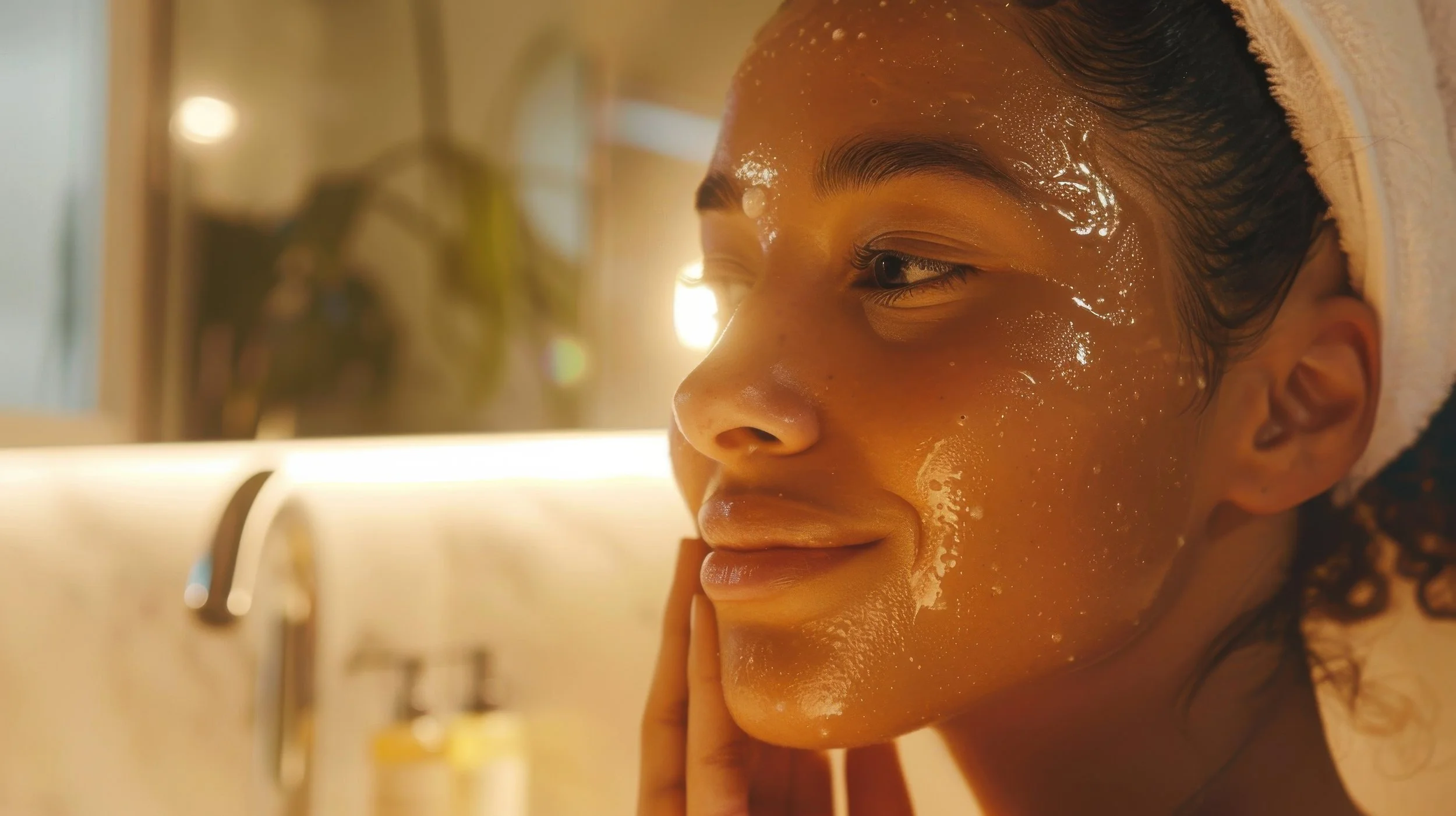
A clean canvas is the first step to get glass skin. The goal is to remove makeup, sunscreen, excess oil, and pollution without stripping the skin of its natural moisture. Avoid using hot water, which can dry out the skin - lukewarm is always gentler.
A gentle cleanser means a low-foam or cream-textured formula with no harsh sulfates that leaves skin feeling soft and comfortable, never squeaky tight. This simple switch makes a noticeable difference for most skin types, including sensitive skin types and acne prone skin.
Double cleansing is essential for glass skin routines, especially in the evening. The method works in two stages: first, an oil or balm cleanser dissolves makeup, sunscreen, and oil-based debris. Products like Anua Heartleaf Pore Control Cleansing Oil effectively remove makeup and impurities in this first step. Then, a water based cleanser rinses away any remaining residue, leaving skin truly clean without being stripped.
For acne prone skin, choose non-comedogenic formulas free of pore clogging ingredients. Even when breakouts are present, overly drying face washes can backfire by triggering more oil production and irritation.
In the morning, many people can skip a full cleanse and simply use a small amount of gentle cleanser or just a lukewarm water rinse - it depends on how the skin feels upon waking. Oily skin may want a light cleanse; dry or sensitive skin may be happiest with water alone.
Step 2: Add Hydration With Toners, Essences, and Serums
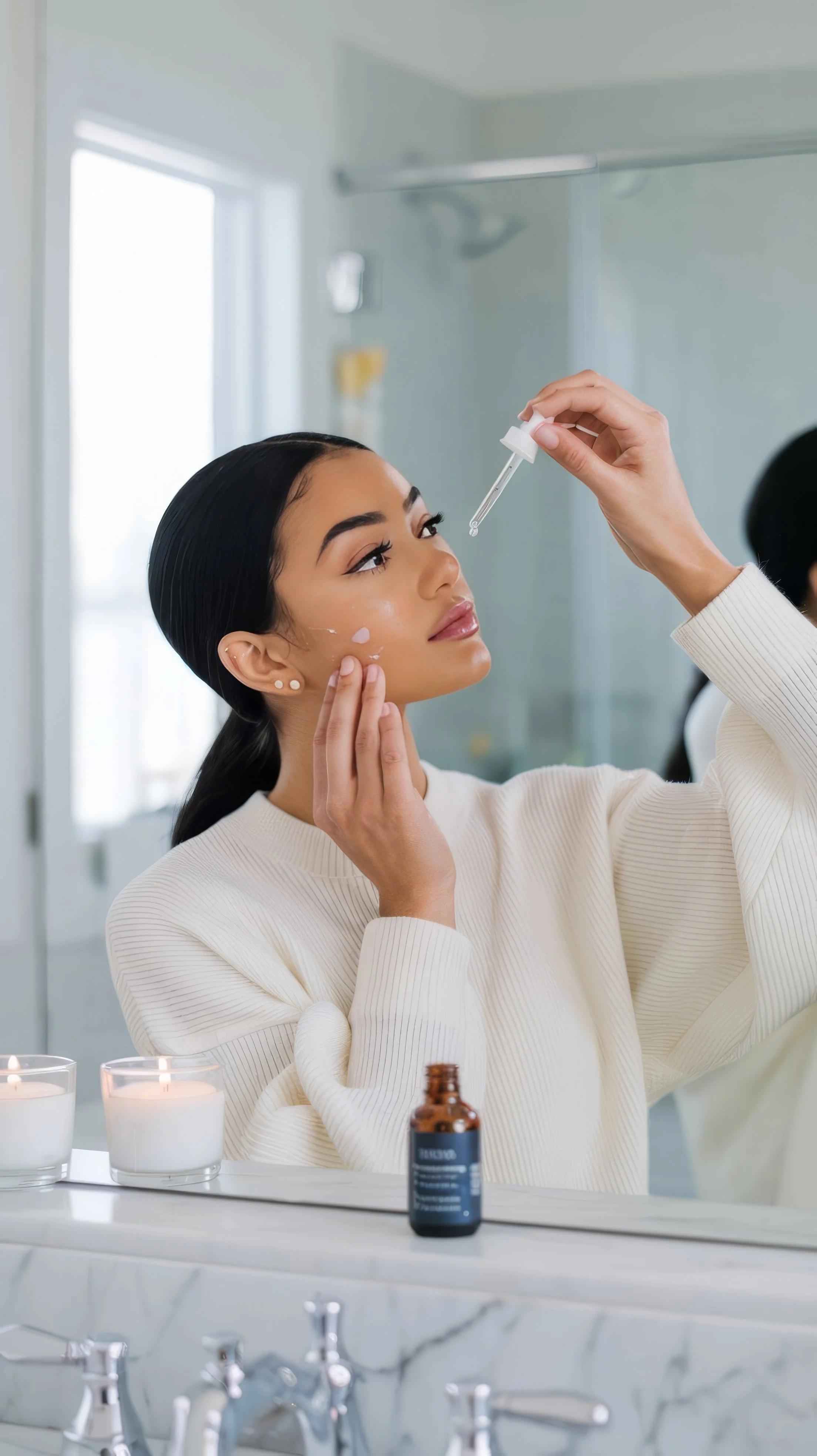
Layered hydration is one of the biggest secrets behind any glass skin routine - and this is where the dewy glow truly starts.
Toners hydrate and balance skin's pH in glass skin routines, creating the perfect base for everything that follows. A hydrating toner or essence is the first watery layer after cleansing: lightweight, splashy, and comfortingly dewy. I'm From Rice Toner, for example, contains 77.78% rice extract for hydration and brightening, making it a favorite in the glass skin community. That rice extract gives skin a soft, luminous finish that builds with each application.
Beginners should look for humectant ingredients - think of them as tiny water-magnets that help skin hold onto moisture. Hyaluronic acid hydrates and plumps the skin beautifully, while aloe vera soothes irritation and adds lightweight hydration. Panthenol and glycerin are other gentle humectants worth looking for.
Serums deliver concentrated active ingredients for targeted skin concerns. A hydrating serum adds bounce and a plumper appearance, and can be tailored to specific goals. For dullness and uneven skin tone, Dr. Althea Vitamin C Boosting Serum brightens skin with sea buckthorn extract. Vitamin C is a go-to for anyone wanting to boost radiance and fade dark spots over time.
Layer hydrating products from lightest to heaviest for maximum absorption - watery toners first, then slightly thicker serums.
Those with dry skin often love multiple thin layers of hydrating products (sometimes called "skin flooding"), while oily skin or acne prone skin may prefer just one or two light hydrating layers to avoid feeling heavy.
When applying, gently wipe or press products into the skin with soft patting motions rather than rubbing. This keeps the routine soothing and barrier-friendly.
Step 3: Use a Moisturizer to Lock Everything In
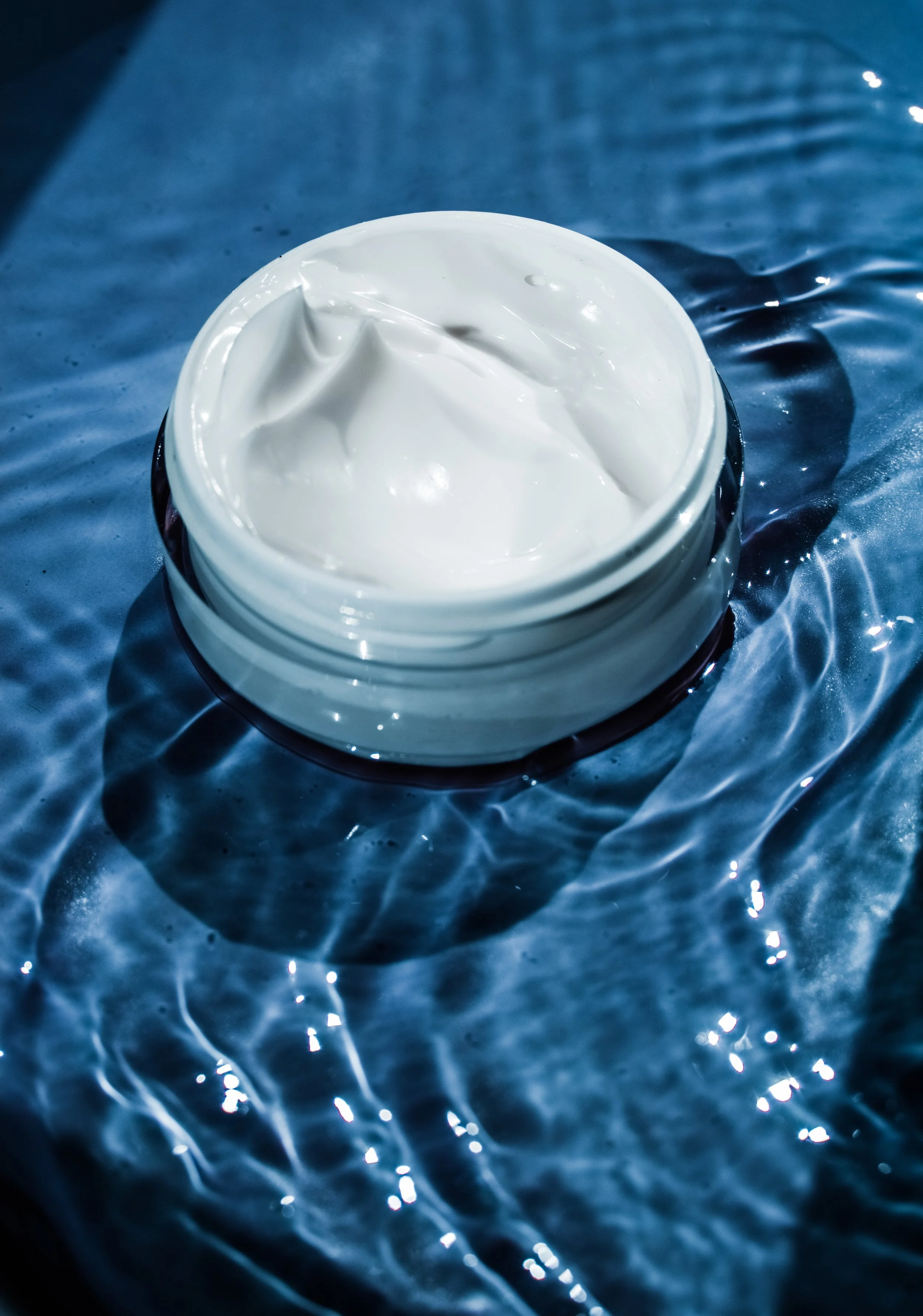
Moisturizer is what seals in all the hydration from toners, essences, and serums, giving that soft, cushioned glass skin look. Moisturizers lock in hydration and active ingredients applied earlier, creating a protective layer that supports lasting hydration throughout the day or overnight.
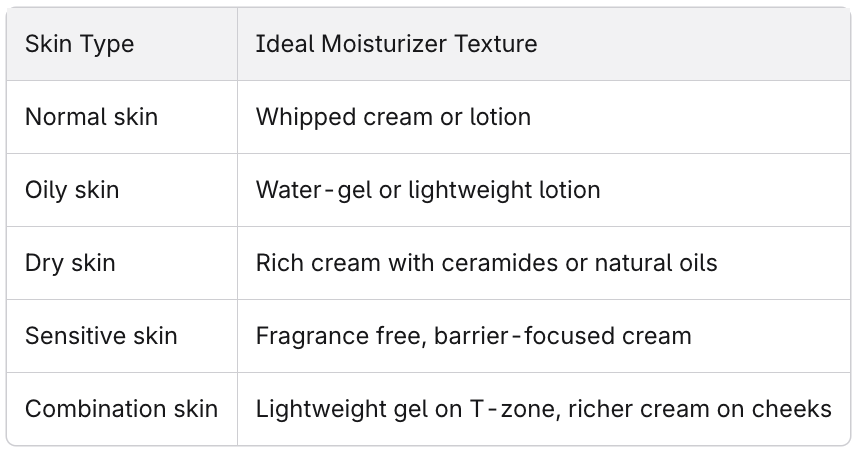
Even oily skin needs moisturizer. Skipping it can actually make skin produce more oil to compensate for dryness. Lighter gel or lotion textures work well for oily and combination skin, while very dry skin may prefer richer creams or balms. CosRx Advanced Snail 92 All In One Cream provides intense hydration and repair, making it a solid option for those who want skin that feels deeply nourished.
Well-moisturized skin reflects light more evenly, making skin texture look softer and more "lit from within." When the surface is smooth and hydrated, that glass skin glow becomes effortless.
A few drops of face oil can be pressed over moisturizer at night for extra glow, especially for dry skin - but this step is completely optional. Think of it as a bonus seal for deep hydration rather than a requirement.
Step 4: Exfoliate Gently, Not Aggressively

Exfoliation is about helping old, dull dead skin shed so the surface looks clearer and smoother - but "less is more" is the golden rule here. Gentle exfoliation is important for creating a smooth skin surface, and exfoliation helps achieve smoother skin texture for glass skin over time.
There are two main types: physical scrubs (which manually buff the surface) and chemical exfoliants (which dissolve the bonds between dead skin cells). For beginners, chemical options tend to be kinder. Low-strength AHAs, BHAs, or PHAs used a few times a week can improve skin texture without overwhelming the barrier. Clinical research shows that AHAs at 5–10% concentrations improve texture when used appropriately.
Some by Mi AHA BHA PHA 30 Days Miracle Toner gently exfoliates and clears pores, combining multiple exfoliant types in one step - a helpful shortcut for anyone dealing with clogged pores or dull skin. For acne prone skin, BHAs like salicylic acid are often chosen to help clear pores while still aiming for that glass skin glow.
Watch for common signs of over-exfoliation: stinging, redness, flaking, or persistent tightness. If these appear, reduce frequency immediately and focus on hydration and barrier repair.
A simple starter schedule: exfoliate only at night, one to three times per week. Never layer strong exfoliants with other intense actives (like retinol) in the same routine to avoid further irritation.
Step 5: Wear Sunscreen Every Morning
Sunscreen is the quiet hero of any glass skin routine. It prevents dark spots, dullness, and fine lines caused by UV damage - all of which work directly against the glass skin look. Research confirms that UV radiation degrades the skin's lipid barrier, increases water loss, and triggers uneven pigmentation.
Sunscreen is crucial for protecting skin and maintaining glass skin long-term. Broad-spectrum sun protection should be the last step of the morning skin care routine, applied generously to the face, neck, and any exposed areas.
There are many comfortable textures available - gels, fluids, milky lotions - so even oily skin or sensitive skin can find a formula that feels weightless and non-greasy. The key is using enough product (about a nickel-sized amount for the face) and reapplying during long days outdoors.
SPF is just as essential as any hydrating serum or moisturizer in a skincare routine for glowing skin. Without it, all the hydration and gentle exfoliation in the world cannot fully protect the results.
Step 6: Build a Glass Skin Routine for Your Skin Type

The best skincare routine for glass skin is personalized. Different skin types will choose slightly different textures and frequencies for each step - and that is exactly how it should work.
Dry skin requires ultra-rich formulas for hydration. Think creamier gentle cleansers, multiple hydrating layers (including an essence and hydrating serum), rich moisturizers packed with ceramides, and possibly a few drops of face oil at night. Natural oils can add an extra layer of comfort and healthy glow.
Oily skin benefits from lightweight, non-comedogenic products that balance oil without stripping. Gel cleansers, oil-free hydrating serums, and water-gel moisturizers work beautifully. Very gentle exfoliation helps manage excess oil and keep pores clear.
Combination skin requires balance with lightweight products on the T-zone and richer textures on drier areas like the cheeks. Adjusting exfoliation where skin texture feels rough can help even things out.
Sensitive skin should use gentle, fragrance free products above all. A minimal routine with a soothing cleanser, calming hydrating layers (look for centella asiatica, which soothes and calms the skin, or aloe vera), a barrier-supporting moisturizer, and mineral-leaning sunscreens is ideal. Exfoliate very rarely, and always patch-test new skincare products first. Sensitive skin types do beautifully with fewer, gentler steps.
Blemish-prone skin needs gentle acne treatments to avoid irritation. A mild BHA exfoliant, non-stripping products, and oil-free hydration can work together so readers can still achieve glass skin while treating breakouts carefully. Green tea and centella-based products are often well-tolerated options that calm redness.
Everyone's skin is different, and the best own glass skin routine is one that feels comfortable - never irritating.
Product Categories That Help With Glass Skin

Readers do not need every single product category at once. Building a glass skin skincare routine can be as simple or layered as personal preference allows.
Here are the core categories:
Gentle cleanser - removes impurities without stripping moisture
Hydrating toner or essence - a splashy first layer of skin hydration
Hydrating serum - delivers concentrated active ingredients for targeted concerns
Moisturizer - seals in hydration and supports the skin barrier
Sunscreen - protects against UV damage and maintains even skin tone
Gentle exfoliant - smooths away dead skin cells for smoother skin
Some standout ingredients to look for across these categories:
Niacinamide improves texture and reduces the appearance of pores
Vitamin C brightens and evens skin tone
Ceramides strengthen the skin barrier and lock in moisture, along with fatty acids and cholesterol
Hyaluronic acid delivers deep hydration and a plumper appearance
Botanical extracts like green tea and centella offer soothing skin benefits
Optional extras include eye cream for the delicate under-eye area (helpful for dark circles), face oil as a final seal for very dry or mature skin, sheet mask treatments for a weekly moisture boost, and face masks for occasional pampering. These are bonuses, not must-haves.
Beginners should start with the basics - cleanser, hydration, moisturizer, SPF - and only add new categories one at a time, checking how their skin reacts. The routine should feel soothing and enjoyable. If skin feels constantly tight, itchy, or burning, something in the product mix needs to be simplified.
Common Glass Skin Mistakes to Avoid

Mistakes are normal and completely fixable. Here are the habits that quietly work against the glass skin look:
Using too many new products at once. This can confuse skin and make it nearly impossible to know what is causing irritation. Introduce one new product at a time.
Over-exfoliating. Daily acid toners, rough scrubs, and peels layered together can damage the skin barrier, leading to redness, breakouts, and dull skin - the opposite of glassy.
Skipping moisturizer. Without it, skin may produce more oil to compensate, or become flaky and unable to hold hydrating products properly.
Skipping sunscreen. This undoes glass skin progress by allowing new dark spots, fine lines, and uneven skin tone to form.
Copying a creator's routine step-for-step without considering personal skin type or sensitivity. What works for someone else may cause overwhelmed, unhappy skin.
Using harsh products when the skin already feels irritated. If there is stinging or new redness, the answer is to simplify, not push through.
Expecting instant results. Consistent routines often take several weeks of steady use before the full glass skin glow appears. Studies show noticeable hydration improvements within one to two weeks, but smoother skin texture and more even tone can take four to six weeks or longer.
Eating a diet heavy in processed foods without considering how nutrition supports skin health. Hydration and gentle skincare work best alongside balanced habits.
A board certified dermatologist can also help if skin concerns feel persistent or confusing - there is no shame in seeking expert guidance.
Simple Morning and Night Glass Skin Routine

These routines are templates - quick, plug-and-play examples of a glass skin routine for beginners. Add or remove steps based on skin type, time, and sensitivity. Both routines are designed to be gentle and sustainable, focusing on the key steps that matter most for glowing skin.
Morning Glass Skin Routine
The morning routine is all about light cleansing, layering hydration, and protecting skin for the day ahead.
Gentle cleanse or lukewarm water rinse - depends on how oily or dry the skin feels upon waking.
Hydrating toner or essence - pat it into the skin for a fresh, dewy base. Hydrating products like a rice-based toner add a subtle brightening effect.
Hydrating serum - tailored to needs like dullness, dryness, or uneven skin tone, to help achieve that plump glass skin look.
Moisturizer - gel, lotion, or cream based on skin type, to lock in hydration.
Broad-spectrum sunscreen - the final skincare step before makeup. Apply generously.
Night Glass Skin Routine
The night routine is the time to remove the day, nourish skin deeply, and optionally use gentle treatments while the skin repairs itself.
Double cleanse - first with an oil or balm cleanser to dissolve sunscreen and makeup, then with a gentle cleanser to clear remaining residue. Double cleansing ensures nothing is left behind.
Hydrating toner or essence - replenish moisture immediately after cleansing.
Hydrating serum or treatment serum - a brightening or soothing option depending on current skin needs.
Moisturizer - choose a slightly richer smooth texture at night if skin tends to feel dry or tight.
Gentle exfoliant (selected nights only) - use after cleansing and before serum, skipping other strong actives on those evenings.
Optional: Pat on eye cream around the orbital bone, and for very dry skin, finish with a few drops of face oil pressed over moisturizer for extra lasting hydration.
Glass Skin Checklist

A quick reference to confirm the glass skin routine basics:
✔ Cleanse gently - no harsh stripping or overly hot water
✔ Hydrate with lightweight layers - toner, essence, serum
✔ Moisturize consistently, morning and night
✔ Exfoliate carefully - only a few times a week, not daily
✔ Wear sunscreen every single morning
✔ Avoid overloading skin with too many active ingredients at once
✔ Pay attention to signs of irritation - stinging, new redness, flaking - and simplify instead of pushing through
✔ Stay consistent and give skin time to respond
Skincare is a long-term, caring habit rather than a quick fix. The glass skin tips that actually work are the ones practiced patiently, week after week.
Conclusion

Glass skin is a glow goal, not a perfection standard. It is about a fresh, hydrated glow and feeling comfortable in the skin - not chasing an impossible ideal. Healthy skin comes in every texture, every shade, and every type.
Hydration, barrier-friendly skincare products, sunscreen, and gentle consistency are what truly move the needle for achieving glass skin over time. Every skin type - including dry, oily, combination, sensitive, and acne prone - can adapt these steps to build a skin care routine that feels soothing and realistic.
The best glass skin routine is one that makes the complexion look smooth, dewy, and genuinely cared for - every single day. Build it gently, enjoy the process, and let the healthy glow follow.
Frequently Asked Questions (FAQ) about Glass Skin

How long does it usually take to see glass skin results?
Some extra glow can appear within a couple of weeks of consistent hydration - skin tends to feel softer and look slightly plumper fairly quickly. However, smoother skin texture, reduced dark spots, and a more even skin tone often take several weeks or longer to develop. Timing depends on skin type, current concerns, and how consistent the reader is with gentle cleansing, moisturizer, and sunscreen. The key is to improve skin texture gradually rather than expecting a dramatic overnight shift.
Can you get glass skin if you have acne prone skin?
Absolutely. Acne prone skin can work toward a glass skin look by combining gentle, non-comedogenic skincare products with simple acne treatments. Focus on calming inflammation, avoiding harsh scrubs, and using light BHA exfoliation along with oil-free hydration. The goal is to support skin health and reduce irritation rather than drying everything out. A healthy glow and clear-looking skin can coexist with an acne-friendly routine.
Is glass skin possible with dry or sensitive skin?
Dry and sensitive skin can absolutely achieve a soft, dewy glass skin routine by prioritizing soothing, fragrance free products and rich yet gentle moisturizers. Ingredients that support deep hydration - like ceramides, fatty acids, and hyaluronic acid - are especially helpful. Go slowly with exfoliation, patch-test new products, and focus on building the skin barrier before adding anything too active. Mature skin also responds beautifully to these hydrating, barrier-first principles.
Do you need makeup to complete the glass skin look?
Skincare is the true base of glass skin. Light makeup - like a sheer foundation, liquid highlighter, or cream blush - can softly enhance the reflective, dewy glow if desired, but it is not required. Many people love the glass skin look precisely because it lets them wear less makeup and still feel polished and radiant. When skin hydration is on point, a simple tinted moisturizer or nothing at all can look beautiful.
Can you achieve glass skin if you don't follow a full Korean glass skin routine?
It is not necessary to copy every single step of a full Korean glass skin routine. A simpler approach - a gentle cleanser, hydration layers, moisturizer, a gentle exfoliant, and sunscreen - can still deliver beautiful, glowing skin results. The glass skin trend has inspired many routines, but what matters most is consistency, comfort, and listening to the skin. Focus on building an own glass skin routine that feels manageable and enjoyable rather than trying to recreate every step seen online.