How to Find Your Personal Style
Key Takeaways
Your personal style is a repeatable outfit formula built from clothes you already love wearing in real life - not a perfect Pinterest fantasy or a trend you saw on TikTok.
Your personal style journey starts with self reflection: the outfits you actually wear, your body type, your daily routine, and what makes you feel confident.
You don't need a whole new wardrobe. Focus on quality basics, good fit for your body shape, and a few fun pieces that feel like "you."
Choosing 3 style words, 2–3 go-to outfit formulas, and a simple color palette can define your own personal style in less than a week.
Even the most recognizable style icons evolved over time. Your look will keep changing with your life, mood, and seasons - and that's a gorgeous thing.
Fashion & Beauty News
💋
Fashion & Beauty News 💋
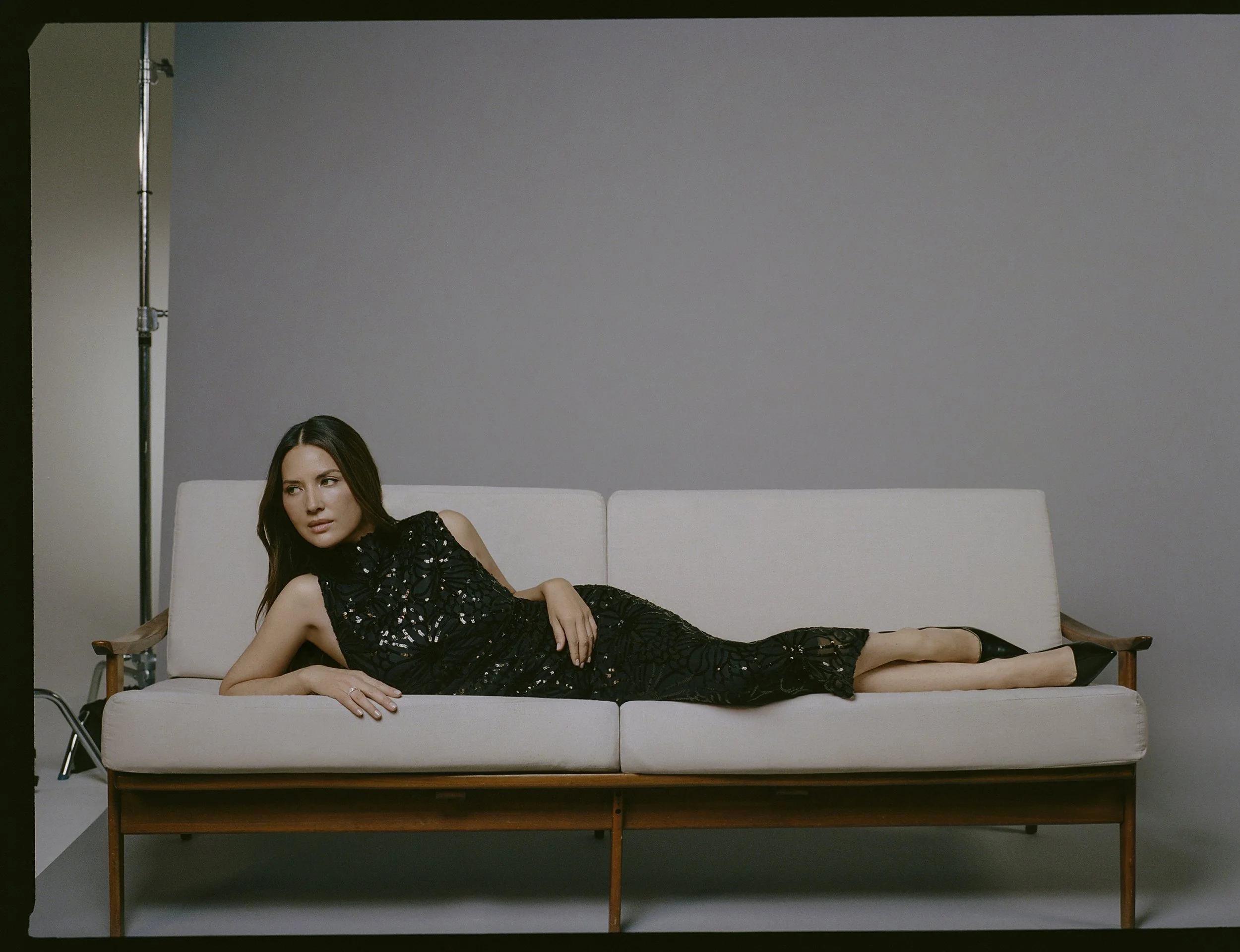
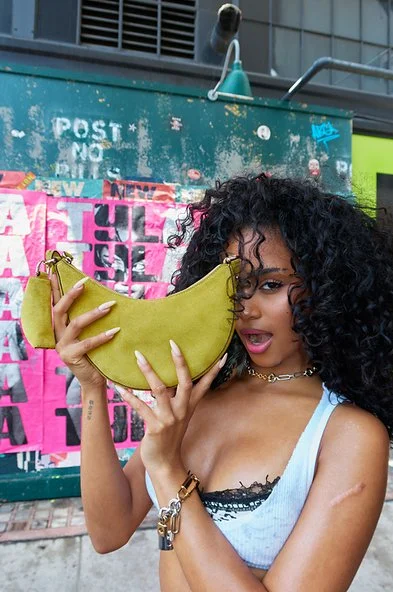
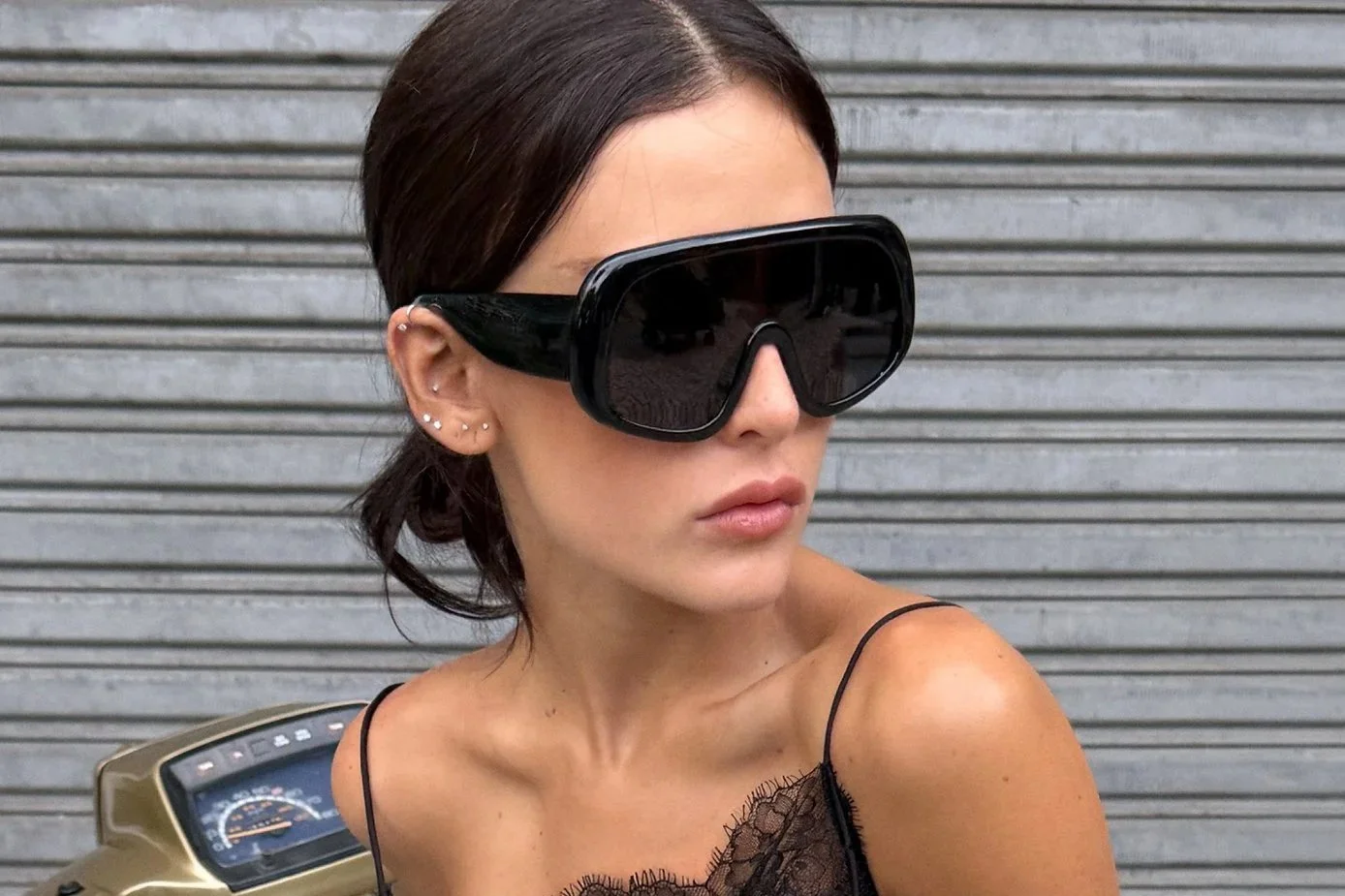




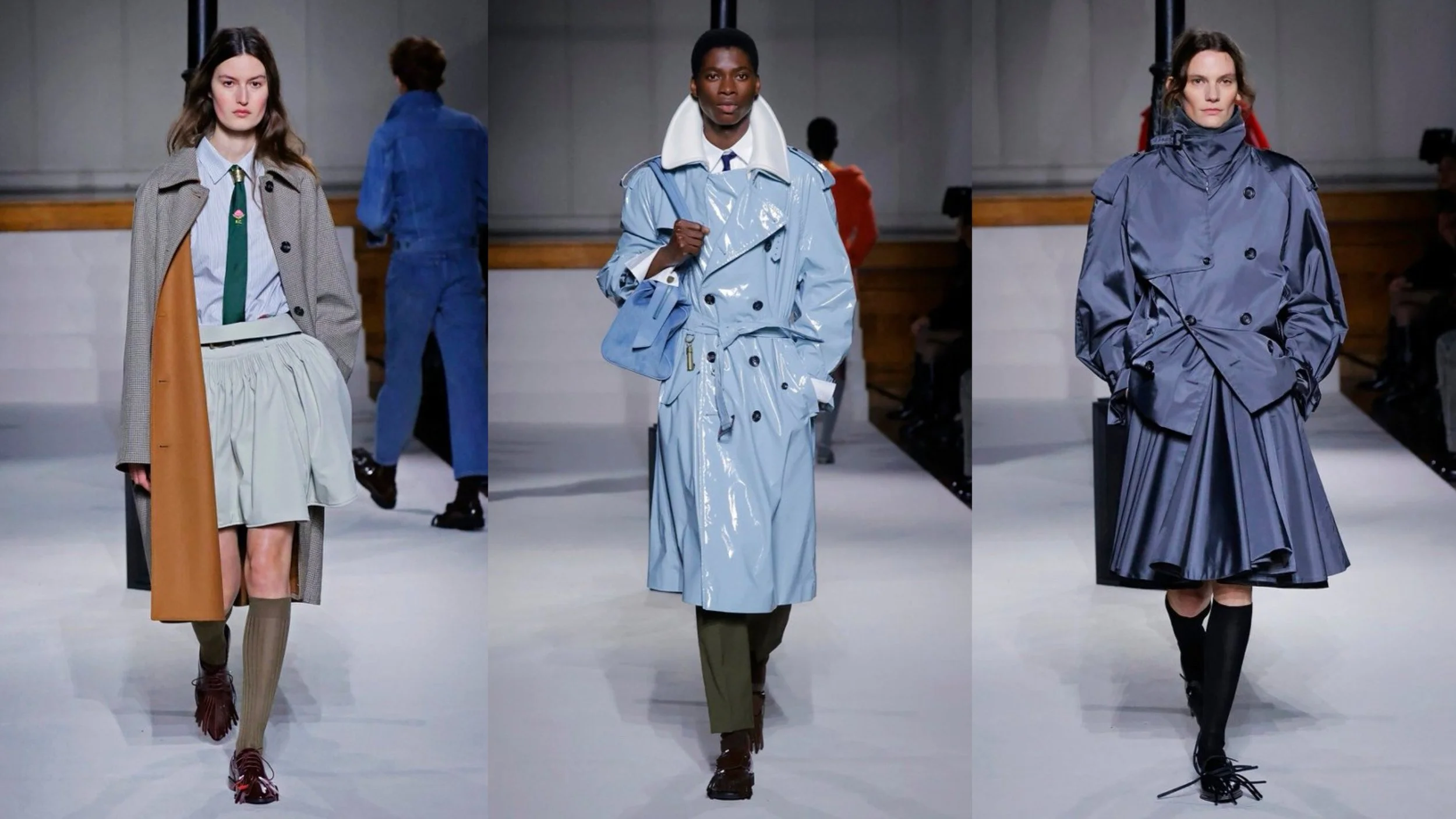
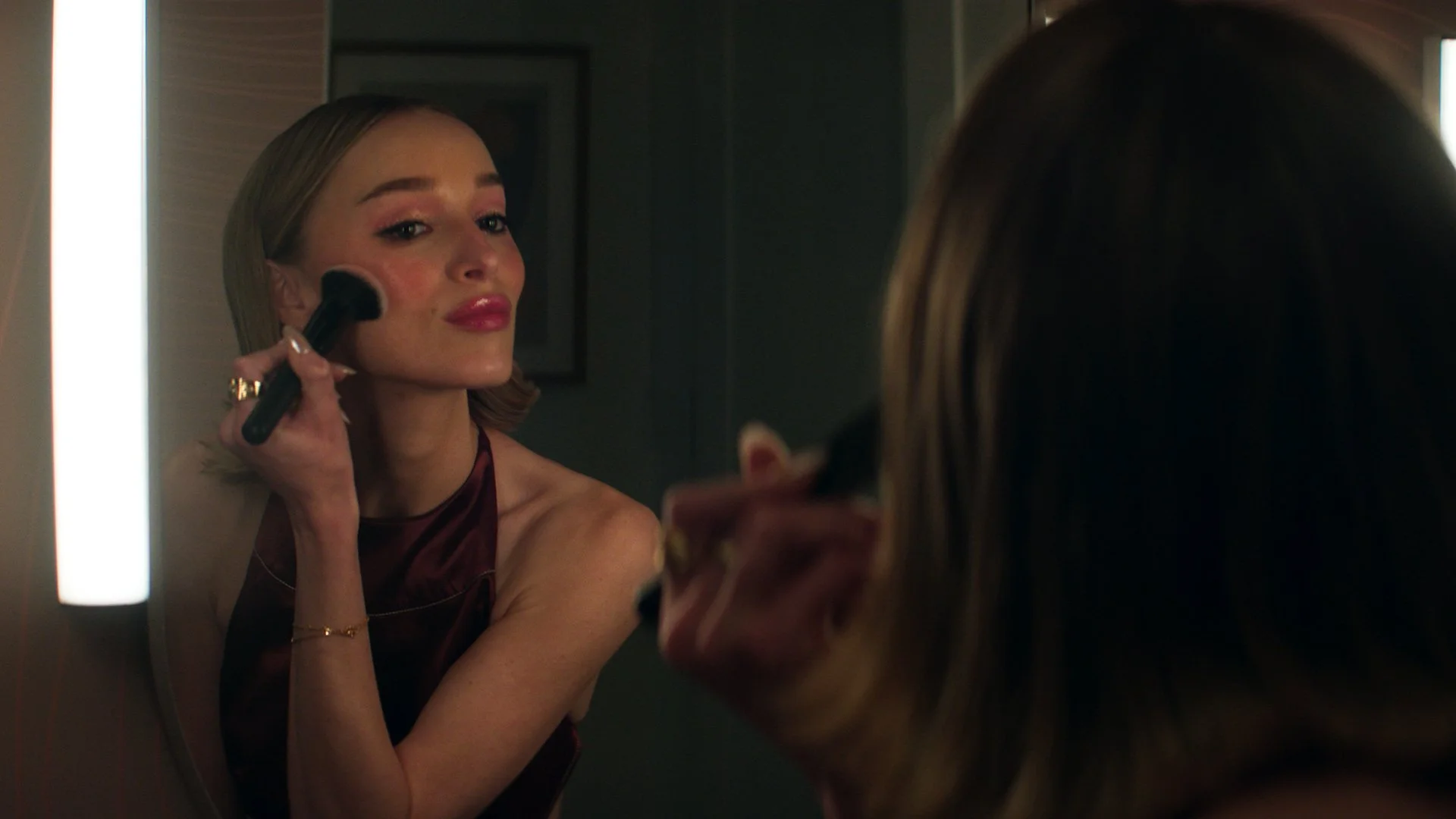
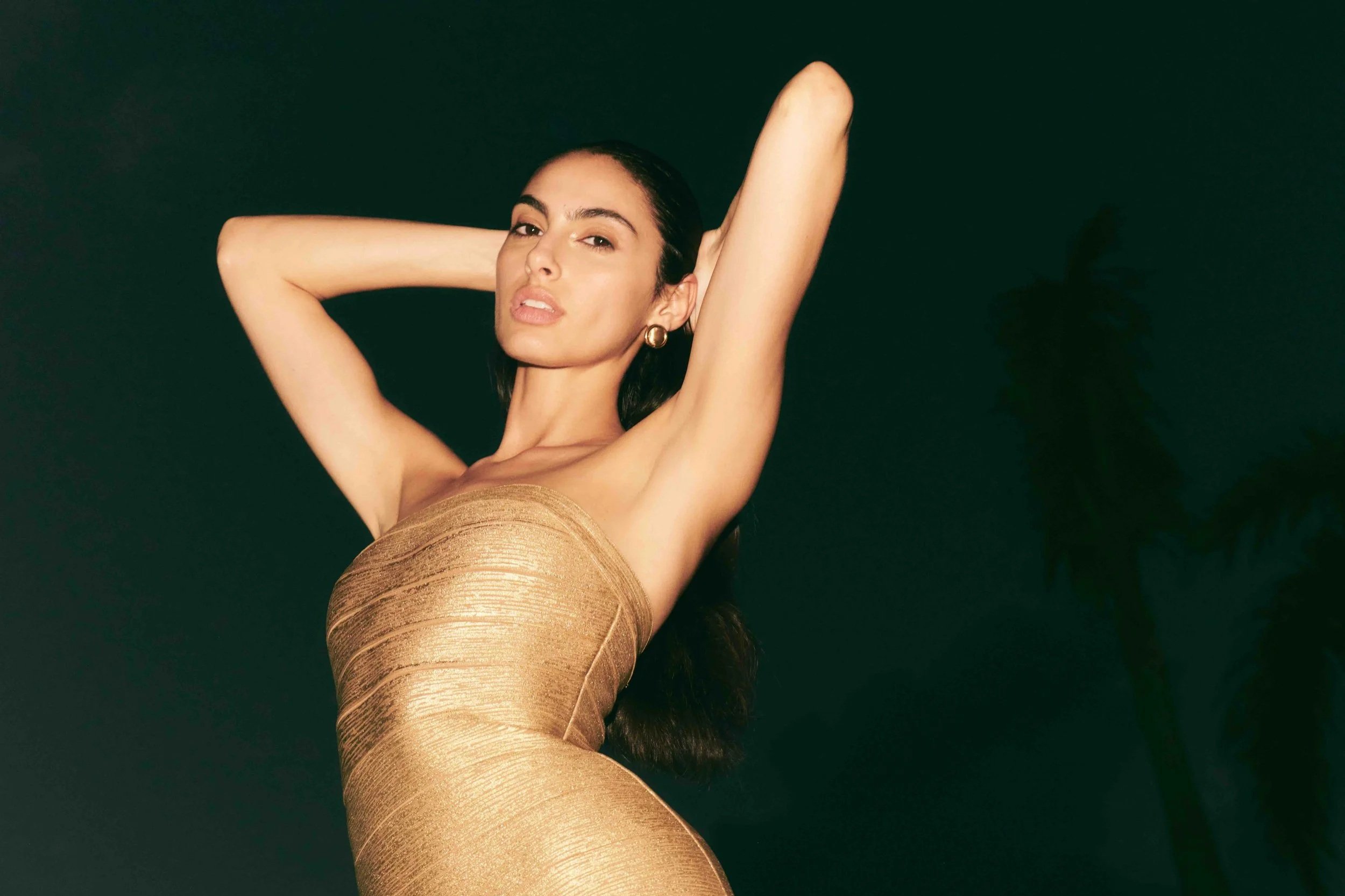
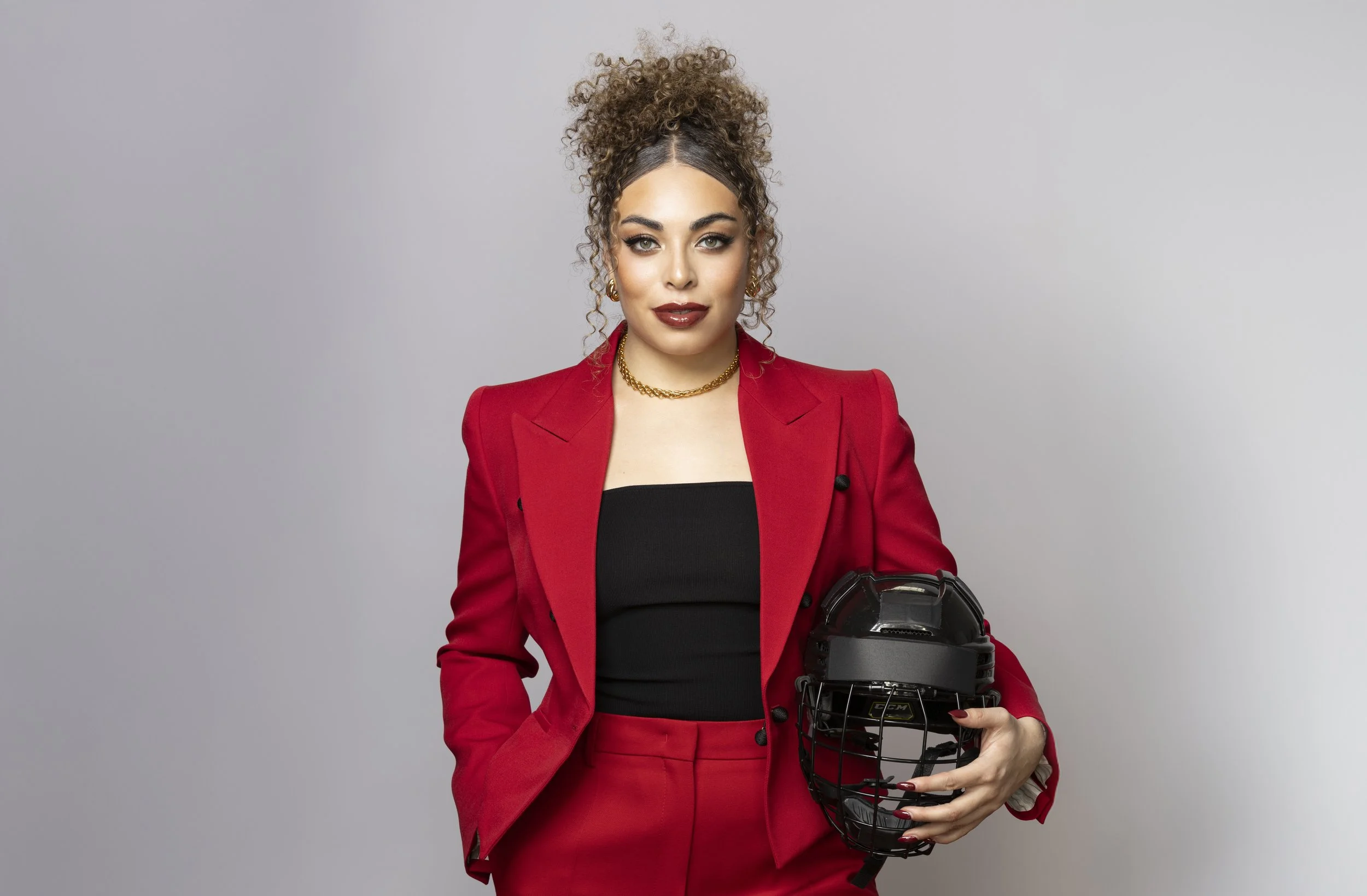

Your personal style isn't hiding on a Pinterest board or in someone else's closet - it's already showing up in the outfits you reach for every single Monday morning. Learning how to find your personal style is really about paying attention to what you already love, then building a repeatable formula around it.
This article walks you through the exact steps to define your personal style, from collecting outfit clues to choosing your best colors to creating signature details that make every look feel unmistakably you.
What Personal Style Actually Means
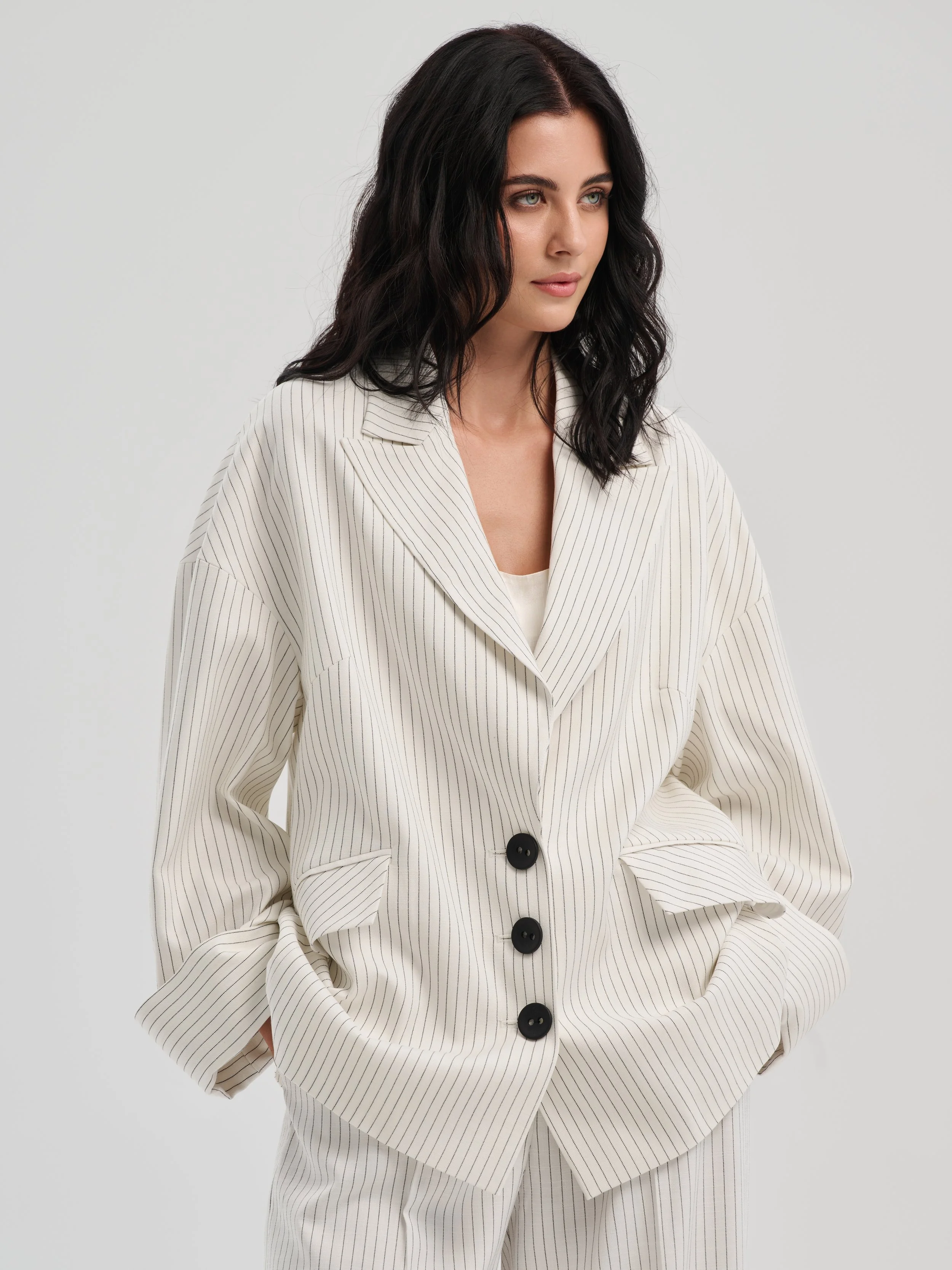
Personal style is the consistent way you like to dress, combining the silhouettes, colors, textures, and details you repeat again and again. It's deeply personal - a form of fashion expression and self expression that reflects your personality, your values, and how you want to move through the world.
There's a difference between "having style" (following trends, copying influencers) and "having a style" (recognizable, repeatable choices that feel like your signature). As Psychology Today puts it, "style requires self-knowledge… fashion is what you wear, style is how you are."
Personal style isn't a strict aesthetic label like "clean girl" or "dark academia." It's a flexible mix of preferences that suit your life. There are actually two types of personal style: one that focuses on what silhouettes, fabrics, and colors look good on you, and another that is more expansive, incorporating experiences, interests, and aspirations into a creative expression of self. Rachel Tashjian, a respected voice in the fashion industry, has written extensively about how true style is less about rules and more about honest self-knowledge.
Your body shape and body type matter - style should work with your natural proportions, not against them - but they're starting points, not prison sentences. And your style evolves. Career shifts, motherhood, moving cities, new life circumstances - all of these reshape how you dress. Think of how differently Carolyn Bessette-Kennedy's minimalist polish reads compared to a playful, high waisted, 90s-inspired look. Both are equally strong because they're consistent and intentional.
Personal style is an evolving journey that requires looking inward rather than following trends. Developing personal style involves building a relationship with yourself by noticing patterns, testing boundaries, and refining your choices over time. Discovering your personal style involves continuous experimentation - and that's what makes it fun.
Step 1 - Collect Outfit Clues From Your Real Life
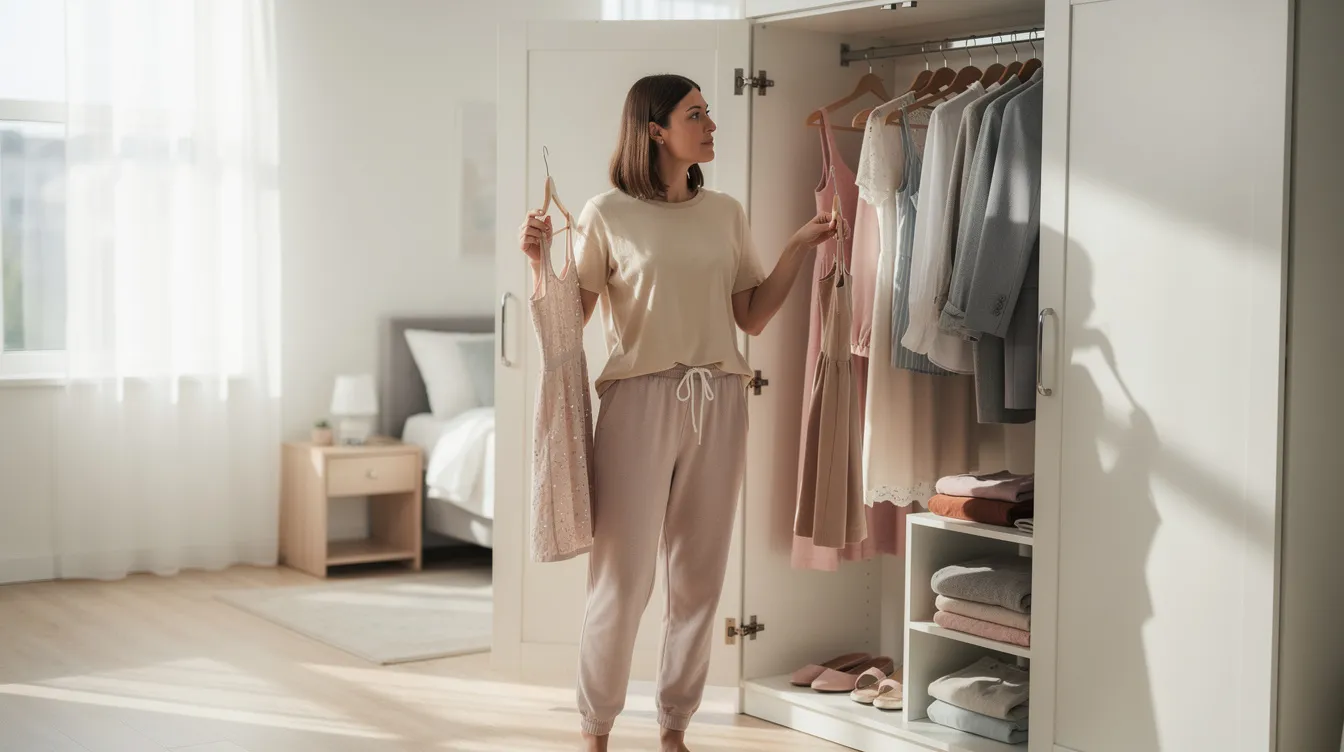
Before you shop, scroll, or stress, start exploring what's already working. Here's exactly how:
Gather 10–15 photos of outfits you've actually worn and loved from the last 6–12 months. Mirror selfies, vacation pics, nights out, office days - all count. Documenting outfits and reflecting on them can help identify which styles align with your personal vision.
Save 5–10 screenshots of outfits you'd realistically wear from Instagram, street style accounts, or your pinterest board. Skip the fantasy red-carpet gowns. Experimentation can include replicating outfits from fashion blogs or social media using items you already own.
Find patterns in silhouettes: Are you drawn to fitted or oversized? High-waisted or mid-rise? Mini or midi? Structured blazers or soft cardigans? Tracking outfits allows you to see patterns in your clothing choices, helping you understand what you enjoy wearing and what you do not.
Note repeat pieces: Jeans, wide-leg trousers, slip skirts, t-shirts, bodysuits, sneakers, boots, heels - what keeps showing up?
Identify vibe words you see across the photos: clean, cozy, romantic, edgy, sporty, polished, feminine, playful.
Check comfort levels: Which outfits felt effortless from morning coffee to late dinner? Which felt fussy, tight, or unlike yourself? Prioritizing comfort and confidence in clothing choices leads to a more authentic expression of personal style.
Using an app to track outfits can help identify personal style preferences and reduce unnecessary shopping. Creating a database of worn outfits encourages you to lean into certain silhouettes and fabrics while discouraging purchases of items you rarely wear.
Creating a mood board can help visualize recurring themes, silhouettes, and color palettes in your wardrobe. Looking beyond fashion for inspiration includes considering colors, textures, and themes from films, decor, and art - anything you're drawn to aesthetically.
Step 2 - Choose 3 Style Words That Define Your Vibe
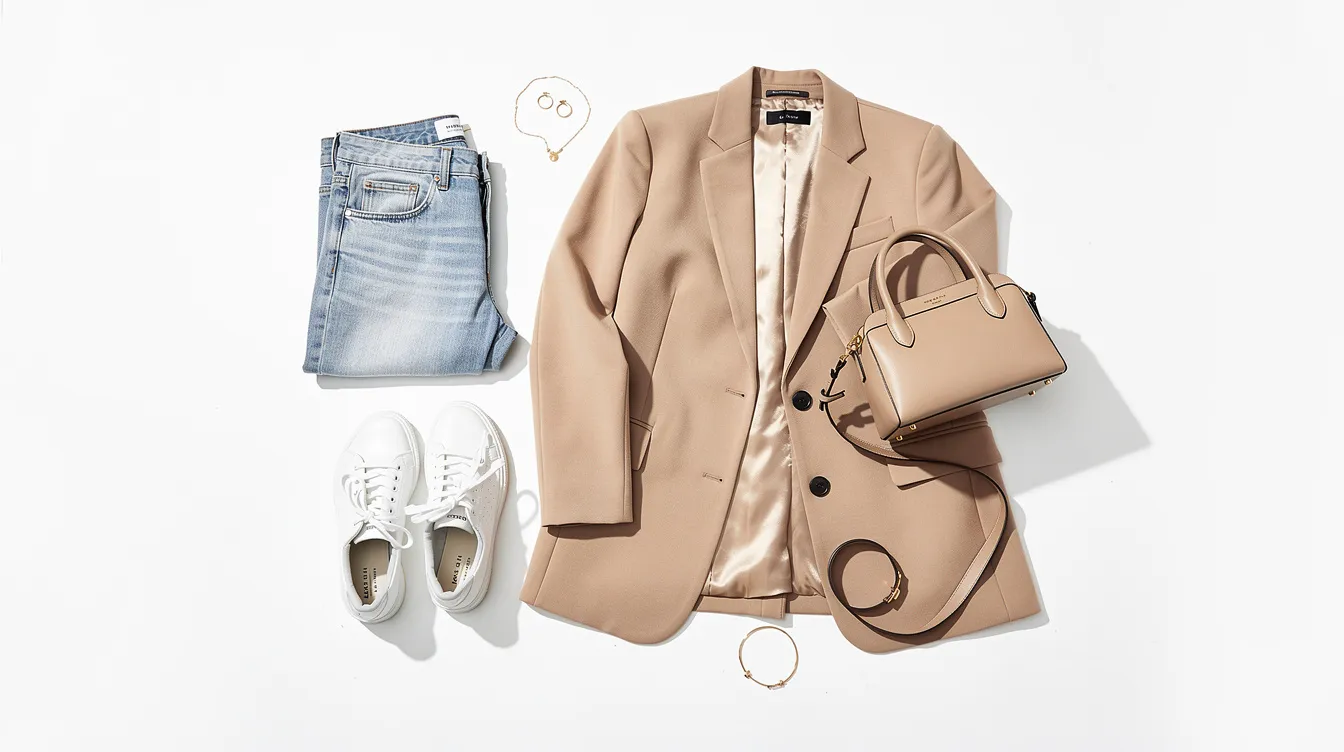
Choosing 3 style words creates a simple filter for every outfit decision and shopping trip. Identifying your style can be guided by three core descriptive adjectives related to your aesthetic. Here's how to break it down:
Base word = your overall category (classic, minimalist, feminine, edgy, sporty, boho, romantic)
Energy word = the mood you want to radiate (soft, bold, effortless, polished, playful, glam)
Detail word = the texture or structure you love (tailored, flowy, cozy, sleek, vintage, structured)
Here's a mini style word bank to choose from: classic, minimalist, feminine, edgy, sporty, boho, romantic, polished, playful, effortless, glam, vintage, tailored, cozy, sleek.
Some example combos that actually work:
Feminine + Polished + Tailored
Minimal + Effortless + Sleek
Sporty + Playful + Cozy
Romantic + Soft + Flowy
Go back to your outfit photos from Step 1 and pick the 3 words that best match how you look and want to feel comfortable Monday through Sunday. Defining your style keywords can be done by writing down three to five words that describe the energy or aesthetic you want to exude.
Write these words in your phone notes or tape them to your closet door. They'll guide daily outfit choices, shopping decisions, and help you figure out what to keep or let go. It is possible to draw from multiple aesthetics in personal style to reflect different moods or occasions - your 3 words simply anchor the common thread.
Step 3 - Find Your Style Uniform

A "style uniform" is 2–3 repeatable outfit formulas you can wear on rotation without ever feeling boring. It's about structure, not specific items - you swap colors, shoes, and accessories while keeping the same base formula. Research in cognitive science shows that repeatable outfit patterns reduce decision fatigue and increase consistency in your appearance.
Here are 4 outfit formulas tailored to different vibes and different body types:
Formula 1 (everyday classic): Fitted tee + high-waisted straight-leg jeans + blazer + white sneakers.
Formula 2 (romantic feminine): Satin slip skirt + cropped knit sweater + ankle boots + delicate gold jewelry.
Formula 3 (edgy casual): Black bodysuit + high waisted faux leather pants + oversized denim jacket + chunky boots.
Formula 4 (office polished): Tailored trousers + tucked-in button-down + belt + loafers or low block heels.
High-waisted bottoms support many body types by defining the waist and pairing well with cropped or tucked tops. Experimenting with different shapes, volumes, and proportions in layering can create a flattering and dynamic silhouette. When layering, start with a solid base and build from there, ensuring each layer complements the others for a cohesive look.
The 3-3-3 Method - selecting 3 tops, 3 bottoms, and 3 pairs of shoes - is another cool way to create a mix-and-match wardrobe that feels fresh without being overwhelming.
Name your uniforms ("coffee run," "girl boss," "date night") to make getting dressed feel like an inspired moment. Style icons often repeat very similar outfits with small twists - and that's exactly what creates a recognizable personal style. Layering is an art form that marries functionality with fashion, allowing you to navigate through the seasons with ease and elegance.
Step 4 - Identify Your Best Colors and Neutrals
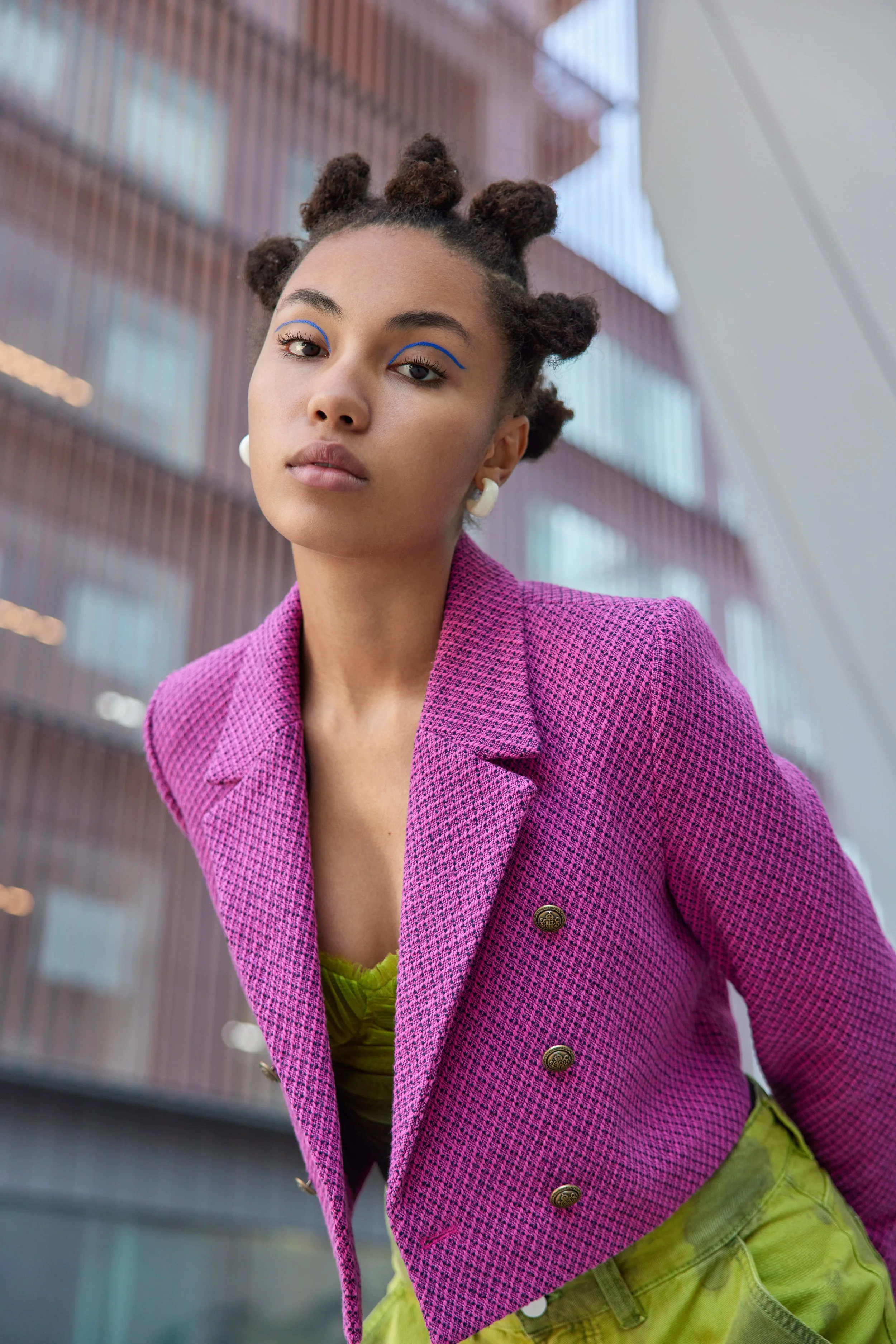
You don't need a full professional color analysis appointment to make progress - just start noticing what you already love to wear and what makes your skin tone glow.
Choose 2–3 main neutrals that match most of your closet: black, white, cream, beige, camel, navy, denim blue, or gray.
Pick 2–4 "happy colors" you always feel good in - think blush pink, cherry red, lilac, forest green, or cobalt blue. Use these for tops, dresses, and accessories.
Quick undertone check: If you feel best in gold jewelry and warm tones like camel and rust, you may lean warm. If silver and cool shades like charcoal and icy blue are more flattering, you may lean cool. Many people are neutral, and that's perfectly fine.
Color analysis is a framework that helps individuals determine which colors suit them based on their natural coloring, including hair, skin, and eye color. Colors can be assessed on three axes: temperature (warm vs cool), value (light vs dark), and chroma (muted vs intense), which helps in identifying your seasonal color palette. Understanding the basics of color theory can guide you in selecting colors that harmonize with your natural tones.
Try holding different colored tops near your face in natural daylight. Keep the shades that make your skin look brighter and your eyes more defined. Build outfits around one neutral + one main color for cohesion, and use your palette to guide future purchases so you stop buying random pieces that don't go with anything in your wardrobe.
Step 5 - Do a Mini Closet Edit (No Big Overhaul)
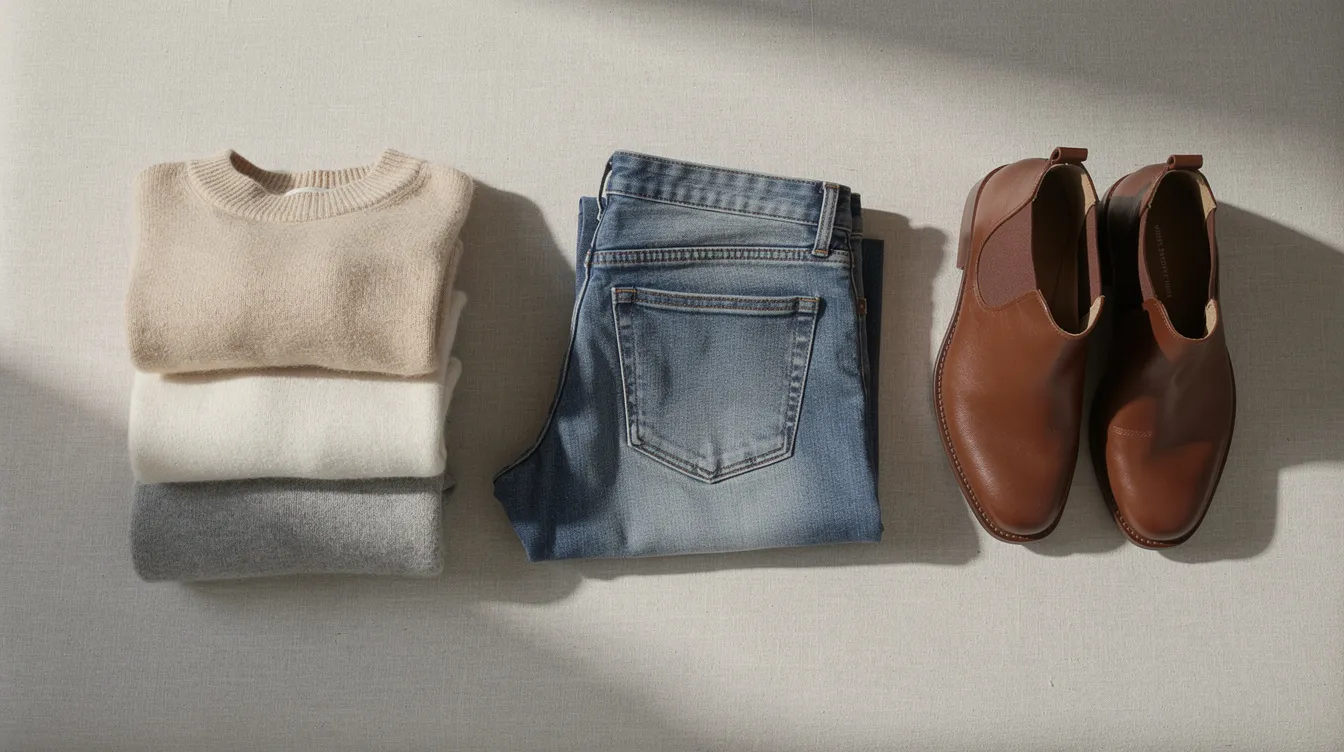
This is a gentle, 1–2 hour closet edit - not a full-blown purge that leaves you crying on the floor surrounded by stuff. Auditing your existing wardrobe involves identifying favorite pieces and the reasons for your attachment to them.
Set up three piles using your 3 style words, color palette, and outfit formulas as filters:
Keep: Items that fit your current body type, feel comfortable, match your style words, and work with at least two of your go-to outfits.
Maybe: Pieces you like in theory but don't wear often. Put these in a separate box and revisit in 30–60 days.
Let Go: Anything uncomfortable, worn out, or that feels like someone else's style. Donate, sell, or recycle.
Pay attention to fit details: shoulder seams, waistband comfort (especially with high-waisted pieces), sleeve length, and hem length for your height. Personal style should reflect who you are rather than conforming to societal expectations of what is flattering or appropriate, allowing for a more authentic expression of self.
The point isn't to punish yourself for past shopping mistakes. The goal is to create space for your true style to show up - to see the clothes that actually work for your life right now.
Step 6 - Build a Starter Shopping List That Matches Your Style

Shop to complete outfits you almost love, not to reinvent your entire identity in one haul. The "gap fillers only" mindset means you find clothes that finish a formula, not start a new wardrobe from scratch.
Try on a few favorite looks and write down what's missing. Then focus on these 5 categories:
A go-to jacket: blazer, leather jacket, or cropped denim jacket that works with dresses, jeans, and trousers.
A hero bottom: high-waisted jeans, wide-leg trousers, or a skirt that flatters your body shape and pairs with multiple tops.
Everyday shoes: sneakers, ankle boots, loafers, or block heels that suit your real life (commute, campus, office, weekends).
A versatile bag: a medium-sized crossbody or shoulder bag in one of your core neutrals.
Simple jewelry and accessories: gold or silver hoops, a watch, a dainty necklace, or hair accessories that echo your style words.
Prioritize fit, fabric, and comfort over logos or micro-trends. Building a timeless wardrobe means investing in new pieces that offer versatility and longevity, such as a crisp white shirt or tailored trousers, which serve as the foundation for your style. Quality basics are essential in wardrobe building - they're the threads that hold everything together and allow for endless possibilities when paired with accessories.
Resist the pull of fast fashion hauls. Set a budget and shop slowly over a month or two. Buying fewer items of higher quality means lower cost-per-wear and a wardrobe that actually makes sense together.
Step 7 - Style It With Signature Details
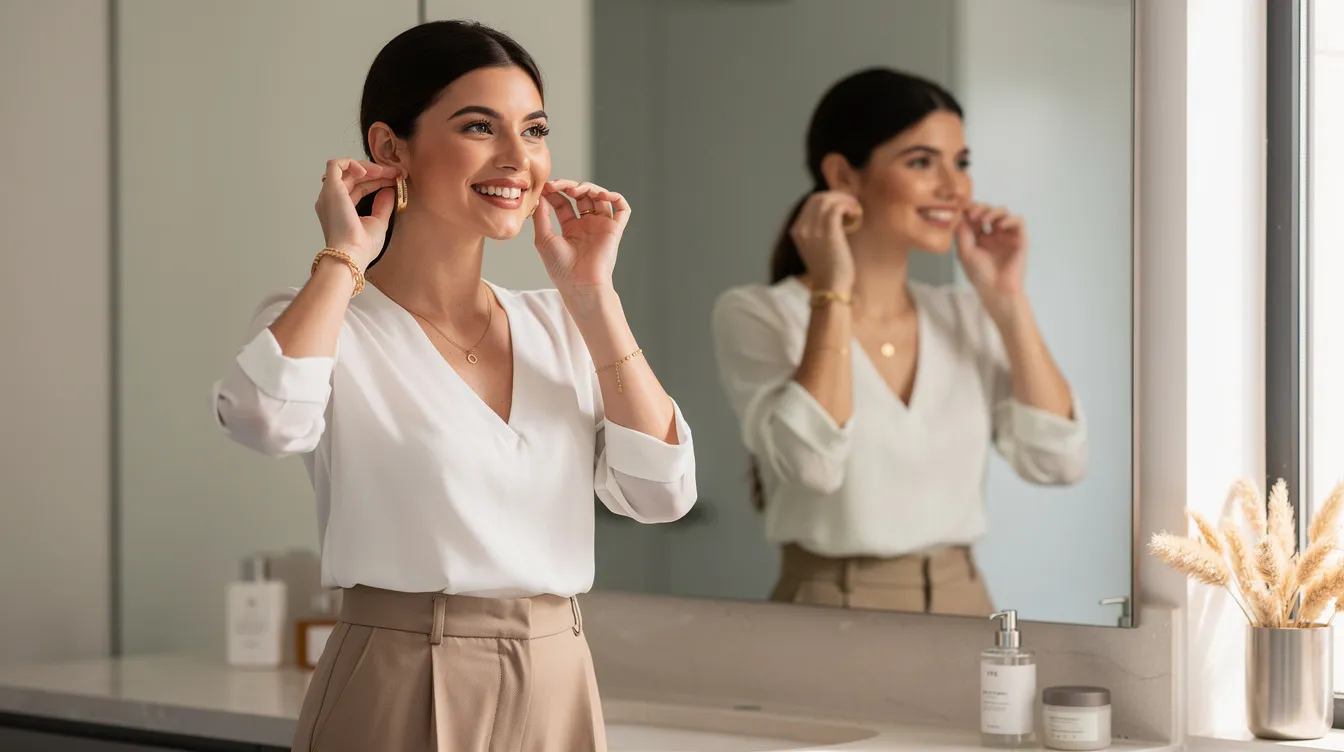
Signature details are the small, repeated touches that make every outfit feel instantly like you. Accessories are the magic wand of personal style, transforming the ordinary into the extraordinary and allowing for self expression.
Pick a jewelry lane for most days - mostly gold or mostly silver - to create cohesion even when your clothing is simple. Mixing metals and playing with textures in accessories can add layers of intrigue and sophistication to your outfit once you feel more confident experimenting.
Here are beauty signature ideas matched to different style words:
Minimal + Effortless + Sleek: glossy low bun, clean skin, sheer lip, tiny hoops.
Feminine + Polished + Tailored: soft waves, defined lashes, pinky-nude lipstick, structured mini bag.
Edgy + Playful + Cozy: messy bun, winged liner or bold lip, chunky rings, stacked bracelets.
Nails are an easy personal style detail too: neutral short nails for classic styles, red nails for glam, soft pastels or subtle nail art for playful vibes.
Try repeating 1–2 signature elements most days - a cat-eye liner, layered necklaces, or a red lip - so people start recognizing your look. Many style icons are remembered for exactly this kind of consistency: a specific haircut, a bold lip, or always wearing sunglasses. These details make you feel powerful and pulled together without requiring a single new piece of clothing.
Common Mistakes That Keep People Stuck

Trend chasing: Buying every viral item without checking if it suits your body type, lifestyle, or style words. A study of 353 participants found that people tend to dress toward their ideal self-image, which can lead to closets full of aspirational pieces they never actually wear.
Copying without adapting: Following someone else's aesthetics without adjusting for your own figure, comfort, and daily routine. What works for an influencer's curated photoshoot may not work for your Tuesday.
Ignoring fit and fabric: Keeping pieces that dig, ride up, or feel scratchy. If it's uncomfortable, you'll never reach for it on a busy morning.
Fantasy life shopping: Buying outfits for imaginary events instead of what you actually do - office days, classes, brunch, errands.
Overnight reinvention: Trying to change everything at once is overwhelming. A slower, intentional personal style journey is more sustainable and more honest about who you really are.
Before every purchase, pause and ask: does this match my 3 words, my color palette, and at least one existing outfit formula? To develop your personal style, it's important to remix what you already own and experiment with new combinations rather than spending excessively on new items.
Quick Personal Style Checklist (Do This This Week)

Save 10–15 photos of outfits from the last year that made you feel genuinely cute and confident.
Circle the repeating themes: silhouettes (high-waisted, cropped, oversized), fabrics, shoes, and colors.
Pick your 3 style words (base + energy + detail) and add them to your phone notes or closet door.
Create 2–3 simple outfit formulas using mostly clothes you already own.
Choose 2–3 neutrals and 2–4 main colors you love wearing and that work together.
Do a mini closet edit with Keep / Maybe / Let Go piles. Move the Maybe pieces out of sight for a month.
Write a short "gap list" with 3–5 items that would instantly make your everyday outfits feel more pulled together.
Decide on 1–2 signature details (hair, makeup, or accessories) you want to repeat this month.
Your style doesn't need to be perfect by Friday. It just needs a direction. Every outfit you put together with intention - even a simple tee-and-jeans moment - is a step forward. The idea is progress, not perfection. Your personal style is already inside you. You just need to let it out, explore it, and have a little fun with it. You deserve to get dressed every morning and feel like the main character of your own life - because you are. 💕
Frequently Asked Questions (FAQ)
How long does it usually take to find your personal style?
Most women can get a clear sense of their style direction in 1–2 weeks if they follow the steps: a photo review, choosing 3 style words, building outfit formulas, and doing a mini closet edit. Refining the details - your best colors, favorite shapes, and go-to brands - usually takes 3–6 months of normal, everyday dressing and small, intentional purchases. Your style will keep evolving with seasons and life changes, so don't pressure yourself to "finish." A personal stylist can speed things up, but the process of self reflection and experimentation is something only you can do.
Can I have more than one personal style?
It's completely normal to have slightly different vibes for work, weekends, and nights out - but they should all feel like versions of the same person. Keep the same 3 style words across all areas of your life and simply adjust formality, fabrics, and accessories. For example, "Feminine + Polished + Tailored" can look like a blazer and tailored trousers at the office and a fitted dress with a high waisted belt for date night. The thread connecting them is you, not the dress code.
What if my body changes and my clothes don't fit anymore?
Body changes - weight fluctuations, pregnancy, postpartum, health shifts - are a natural part of life, not a failure. Keep your style words the same if they still feel like your personality, but update silhouettes (waistlines, lengths, ease) to support your current body. Replace a few key bottoms and bras first so your outfits fit properly again, then slowly adjust the rest. Comfort is the foundation of confidence, and you deserve clothing that works for the body you have today.
Do I need to follow strict body type rules to look stylish?
Body type guidelines (hourglass, pear, rectangle, etc.) can be helpful starting points but should never feel like rigid rules. Test suggested silhouettes - high-waisted jeans, A-line skirts, wrap dresses - and keep only what you actually love to wear. Confidence, comfort, and cohesion with your overall style matter more than perfectly "flattering" every single line. Classic styles like a well-fitted blazer or a great pair of shoes look good on virtually everyone because they're about proportions, not prescriptions.
How do I stop impulse shopping while I figure out my style?
Wait 24 hours before buying anything new and check whether it fits your style words, color palette, and at least one outfit formula. Keep a running wish list in your phone and revisit it weekly - if you still want an item after a month, it's more likely to be a genuinely good fit. Shop your closet first by recreating saved inspiration looks with what you already own before adding anything new. This habit alone can save you hundreds and help you define your personal style faster than any shopping spree ever could.